
What is Art — An Introduction (Indian Context)
Art is a technique to complete work in a particular manner to get the best result. A person gets the artistic or aesthetic sense from nature. So, art and artistic sense in human being is natural or God-gifted.
This sense can be observed in all those routine and particular acts and activities performed by him. Everyone tries to improve or modify it on the basis of knowledge acquired through deep and sensitive observation about his surroundings and nature.
Thus, Art is a natural way to express the ideas and thoughts whatever a person has in his mind. Now, we can say that every person is an artist and he uses so many ways to express his ideas and thoughts through—
Table of Contents
I. Visual Arts,
2. Performing Arts, and
3. Literary Arts.
1. Visual Arts:
In which the artists create physical or static art objects using different types of colors, mediums, and other materials. It has three distinct features as (i) Fine Arts, (ii) Decorative Arts and Craft (iii) Applied or Commercial Arts.
2. Performing Arts:
In which the artists use their voices or the movements of their bodies with suitable expressions. For example: singing, dancing, playing music and playing drama.
3. Literary Arts:
It is a medium by which a person expresses his ideas and thoughts through creative writing such as writing poetry, scriptwriting, and articles on social, cultural, political and other issues. But the calligraphic work may be the part of visual art.
Visual Arts
Fine Arts:
An artwork that is created by an artist to fulfill his desires or aesthetics. Every artwork becomes new on the basis of themes, used techniques, mediums, and methodology.
There is no scope for repeating and copying the artwork. Drawing, Painting, Sculpture and Printmaking, along with the activities like Graphic art, Manuscript Illumination, Book Illustration, Calligraphy, and Architecture are the ways to express the ideas while techniques, mediums, and methodology used in the artwork are the tools.
On the basis of history, scope used techniques and methodology, the Fine Arts have two Forms—(i) Traditional Arts and (ii) Modern or Contemporary Arts.
Decorative Arts & Crafts:
These artifacts are used for decoration purposes. So, the reproduction of these artifacts are possible up to the being demand. These include: ceramics and studio pottery, mosaic art, tapestry, glass art (including stained glass), handicraft and folk arts.
Applied or Commercial Arts:
These arts also include a number of the modern application of arts or commercial art activities, such as: Assemblage, Collage, Mixed-media, Art and Installation, along with film-based disciplines such as Photography, Videography, and Animation. Other groups of modern applied arts are computer graphics and giclee prints, graphic design, fashion design, and interior design. In addition to tattoo art, face painting, and body painting, some other modern visual arts are land arts like ice/snow and sand sculptures, graffiti art.
Art and the Culture:
The soul of a nation exists in the people living there and in the culture nourished by them during a long historical and pre-historical period of time.
After passing through many difficulties during this long period of time the culture and the socio-human values not only remain to maintain its existence but also have been handed over to the next generations with additional beneficial support.
Now, it is well known that Art is an important part of our culture. If we want to be familiar with the culture of a nation, we shall have to study all the Art forms prevalent there.
During 200—300 A.D., Vatsyayana, having studied all the important books are known as ‘Shastras’ and he wrote the gist of all the learning’s ordained by the Shastras, and complied them in his famous book ‘Kamasutra’, in which 64 types of arts have been described, out of which painting has been ranked in fourth place.
It was a fully developed art with six limbs of painting (Shadangas). Besides Vatsyayana, this couplet has been given even in Pandit Yashodhara’s annotation on ‘Jai Mangala’, that is:
Roop Bhedah Pramanani Bhavlavanya yojnam
Sadrishya Varnikabhang iti chitra Shadangkam
According to the couplet, ‘Six Limbs of Art’ have been described as followed:
1. Roop Bhed:
Capability to differentiate among the Scenes observed by an artist. It is possible when an artist studies deeply about various segments of sight scenes /objects.
2. Praman:
Proportion or exact ratio. It is the proportional measurement of different objects or segments of an object, covered in the Painting (picture).
3. Bhav:
Expressions. It is the action of feelings of the artist’s heart which is expressed by the artist in his creation.
4. Lavanyayojna:
Infusion of grace or knowledge of beauty. It should be reflected in the painting.
5. Sadrishya:
Actuality in the view. Actually Realty of the sight, the scene should be reflected in the creation of an artist.
6. Varnika Bhang:
Color variation. It is the magical or artistic use of colors; a better combination of colors makes a painting attractive and perfect.
NO Picture/painting can be perfect unless an artist or painter uses all these six aspects of painting in his creation. With the deep study of these aspects, an artist becomes able to make his art alive.
Origin and Development of Different Forms of Fine Arts in India:
In India, there are so many assumptions about the origin of Painting (an art form) which are found in old volumes where Vishnu’ has been regarded as the founder of painting.
According to a story—having self-engrossed in the charming beauty of nymph Urvashi, Vishnu did not know when he painted her figure on his thigh, and in this way, the very first painting came into existence.
To propagate this knowledge of painting throughout the world, Vishnu gave this to Vishvakarma and, through the innumerable painters and skilled craftsmen, it has been proceeded ahead and ahead.
The same assumption is presented as the subject-matter of several volumes. According to the Bhagvatpuran; Chitralekha, a friend of devil Baanasur’s daughter, Usha was skilled in making the picture (drawing/painting) of someone/something exactly alike only on hearing a story about that.
She made several episodic pictures (paintings) of Krishna’s grandson, Aniruddh, to hear his stories.
According to human scriptural researches, in India, the initiating examples of the painting are found in cave-age.
Having taken shelter in cave houses, the human inscribed the paintings of different human activities and frightful and ferocious wild animals on their walls.
The extensive multitude of the same type wall-painting in the caves of Bhimbetka, near Bhopal is the biggest in India. These wall-paintings have been classified into seven time-zones. Out of them, the oldest fresco is of 10000 B.C.
In the second phase of painting in India, the painted earthen-wares of the Indus Valley civilization have been included, together with, the good examples of sculptures and architecture which express the development of artistic skills and knowledge of this period.
Distinct geometrical drawings, stronghold, and the use of dark colors are the identity of paintings of that time.
Including the caves of Ajanta, Ellora, Elephanta and Bagh, made between 4th to 7th centuries, the frescos painted in temples and monasteries, seem to be saying the story of the climax of wall-painting and Sculptures in India.
The wall-paintings of Ajanta are counted among the contemporary world’s best wall-paintings. Although the portrayal and perspective of apparels in Bagh-Caves are not as impressive as those of in the caves of Ellora, yet the delineation of nature seems to be more divine and calm.
Sculptures are given preference in the caves of Ellora whereas the place of the painting is secondary. Here the main delineation has been done only on ceilings and the walls of the pavilions.
In Ellora, the body marshaling and accurate construction of embroidery of both animals and human beings are worth seeing.
Prehistoric Rock Paintings
The rock-painting was discovered in 1867-68 A.D. by an archaeologist Archibold Corlleyle. Cockburn, Anderson, Mitra, and Ghosh were the early archaeologists who initially took interest to discover a large number of sites where primitive men took shelter in the caves during the prehistoric period in the Indian subcontinent.
Remnants of rock paintings have been found on the walls of the caves which are widely spread and situated in several districts of Madhya Pradesh, Andhra Pradesh, Karnataka, Bihar, Uttar Pradesh, Chhattisgarh, Jharkhand, Tamil Nadu, Kerala, Odisha, and Uttarakhand.
But some of them have great importance to understand the human life of that period. These are as follows:
1. Prehistoric cave paintings of Lakhudiyar (means one lakh caves) in Almora district of Uttarakhand can be divided into three categories—man, animal and geometric patterns with white, black and red ochre. There are some superimpositions of paintings. The earliest are in black, over these are red ochre paintings and the last group comprises white paintings.
2. The granite rocks of Karnataka and Andhra Pradesh provided suitable space to the Neolithic men for paintings. Kupagallu, Piklihal, and Tekkalkota are famous sites where three types of rock paintings have been found—paintings in white, paintings in red ochre oyer a white background and paintings in red ochre.
These paintings belong to late historical, early historical and Neolithic periods. Bulls, elephants, sambhars, gazelles, sheep, goats, horses, and stylized humans have mainly depicted figures of these sites.
3. Among these, the largest and most spectacular rock shelters of Bhimbetka are located in the Vindhya hills of Madhya Pradesh near Bhopal.
Bhimbetka is forty-five kilometers far away in South of Bhopal where about eight hundred rock shelters of stone-age have been discovered, in which there are five hundred bear paintings of stone-age people.
These cave shelters are scattered in an area of ten square kilometers. The caves of Bhimbetka were discovered by an eminent archaeologist, V.S. Wakankar, in 1957-58 A.D. and later on many more sites were also discovered. Wakankar spent several years here to study these paintings.
The paintings found here are of great variety in the subjects like events of daily life, hunting scene, dancing scene, playing musical instruments, honey collection, decoration of bodies and other household scenes.
In spite of these, some animals have also been painted with human as horse and elephant riders, animal fightings, stag, tiger, bison, etc.
On the basis of style, technique and time-periods, the rock art of Bhimbetka have been classified into seven groups as Period—III: Chalcolithic, Period—I: Upper Palaeolithic, Period—II: Mesolithic, Periods—IV and V: Early History Periods—VI and VII: Medieval.
Upper Palaeolithic Period. In this period, the big size figures of animals such as bison, tigers, rhinoceros, boars and stick-like human figures had been delineated on the wall of the caves in green and dark red in which a few are wash paintings and mostly in geometric patterns. The dancers were painted in green and hunters in red.
Mesolithic Period:
The paintings of this period are comparatively small in size but more in numbers. There is the depiction of communal dances, birds, humans playing musical instruments, mothers and children, pregnant women.
Men carrying dead animals. In addition to animals, there are many hunting scenes that are giving a clear picture of the weapons they used like a pointed stick, bow, and arrows.
Chalcolithic Period:
The paintings of this period are similar to those of the Mesolithic period. But during this period, the cave dwellers of this area came into contact with agricultural communities of the Malwa plains and they exchanged goods with them.
Early History Period:
The paintings of this period are schematic and decorative in style and painted mainly in red, white and yellow colors. The association of riders, the depiction of religious symbols as figures of Yakshas, tree, gods and magical sky chariots are worth seeing.
Medieval Period:
The paintings of this period are more schematic, linear and geometrical in shape, but they show degeneration and crudeness in their style. The colors were prepared by combining manganese, hematite and wooden coal (charcoal).
The painters of Bhimbetka used many colors with various shades of white, yellow, orange, red ochre, purple, brown, green and black.
These colors were made by grinding various rocks, minerals, and pigments. Geru is used for red color, chalcedony (stone) for green color and limestone for white.
To make them stable the artists used to mixed animal fat or gum or resin of trees. Plant fibers and hair of animals are used to make brushes.
So, you can imagine why these paintings are in existence after passing thousands of years. The colors of these paintings are intact until now.
The artists depicted those scenes of the environment in which they lived. Both men and animals seem to be engaged in the struggle for their survival.
At some places in Bhimbetka, a new painting was painted on top of an older one, like that 20 pageants of paintings have been found in some places. Some of the places were considered sacred or special.
Read More:
Somnath Hore, Dhan Raj Bhagat, Ramkinkar Vaij, Arpana Caur, Jai Zharotia, Gogi Saroj Pal, Vivan Sundaram, Manjit Bawa, Jatin Das, Biren De, Gulam Mohammad Sheikh, Arpita Singh, A Ramachandran, Om Prakash, Shanti Dave, Bishamber Khanna, Jagdish Swaminathan, Anjolie Ela Menon, Satish Gujral, G.R. Santosh
- UP PGT 2026 आर्ट टीचर भर्ती: Drawing के 69 पद, जल्दी करें, सिर्फ 10 दिन बाकी!
 UP PGT 2026 Drawing & Fine Arts: कला शिक्षकों के लिए 71 पद, अंतिम तारीख … Read more
 - संविधान की Original Copy — नंदलाल बोस ने हर Page पर क्या छुपाया?जानिए कैसे नंदलाल बोस ने भारत के संविधान की मूल प्रति में सिंधु घाटी से … Read more
- Atal Bihari Vajpayee — कवि भी थे, कला प्रेमी भी | Indian Art Historyजानिए Atal Bihari Vajpayee के कवि और कला प्रेमी पक्ष को — उनकी कविताएं, favourite … Read more
- Mao Zedong ने Chinese Art को कैसे तबाह किया? | Cultural Revolution और कला का विनाशजानिए कैसे Mao Zedong की Cultural Revolution (1966-76) ने 5000 साल पुरानी Chinese Art को … Read more
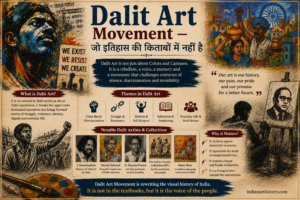
- Dalit Art Movement भारत — जो इतिहास की किताबों में नहीं हैजानिए Dalit Art Movement भारत का पूरा इतिहास — Ambedkar era से लेकर आज की … Read more
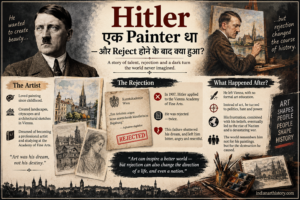
- Hitler एक Painter था — और Reject होने के बाद क्या हुआ?जानिए कैसे Adolf Hitler ने Vienna Academy of Fine Arts में दो बार Rejection झेली, … Read more
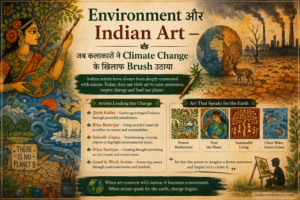
- Environment और Indian Art — जब कलाकारों ने Climate Change के खिलाफ Brush उठायाEnvironment और Indian Art—जानिए कैसे Indian artists ने Warli, Gond और Contemporary Art के जरिए … Read more
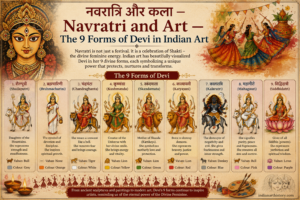
- नवरात्रि और कला — देवी के 9 रूपों का चित्रण | Indian Art Historyनवरात्रि और कला — देवी के 9 रूपों का चित्रण — नवरात्रि में देवी के … Read more
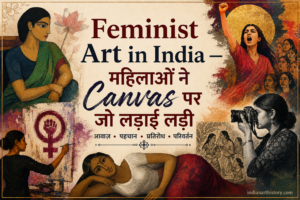
- Feminist Art in India — महिलाओं ने Canvas पर जो लड़ाई लड़ीFeminist Art India महिला कलाकारों की पूरी कहानी — Amrita Sher-Gil से Nalini Malani तक, … Read more
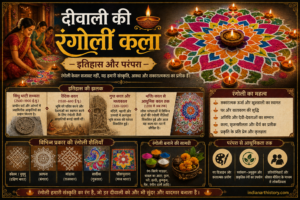
- दीवाली की रंगोली कला — इतिहास और परंपरा | Indian Art Historyदीवाली की रंगोली कला— जानिए दीवाली रंगोली कला का इतिहास, परंपरा और धार्मिक महत्व। कोलम, … Read more
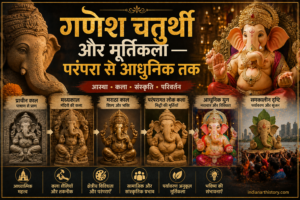
- गणेश चतुर्थी मूर्तिकला परंपरा — गुप्त काल से आधुनिक Eco-friendly मूर्तियों तकगणेश चतुर्थी मूर्तिकला परंपरा का सम्पूर्ण इतिहास — माटी, रंग, शैली, तिलक का योगदान, PoP … Read more
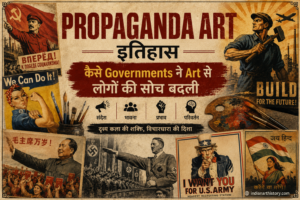
- Propaganda Art इतिहास — कैसे Governments ने Art से लोगों की सोच बदलीजानें कैसे Soviet, Nazi, American और Indian Governments ने Propaganda Art का उपयोग जनता की … Read more
- जब Stalin ने Artists को मरवाया — Soviet Art का काला इतिहासजब Stalin ने Artists को मरवाया —जानिए कैसे Stalin ने Soviet Art पर कब्ज़ा किया, … Read more
- दुर्गा पूजा और बंगाल की कला — विसर्जन तक की यात्रादुर्गा पूजा और बंगाल की कला: दुर्गा पूजा बंगाल कला का महोत्सव है — Kumartuli … Read more
- क्रिसमस और भारतीय Christian Art: 2000 साल पुरानी परंपरा की पूरी कहानीजानिए भारत में Christian Art का इतिहास — Goa के Presepios, Kerala की Syrian Christian … Read more
- खजुराहो मंदिर — कला और वास्तुकला | इतिहास, मूर्तिकला और संपूर्ण जानकारीखजुराहो मंदिरों की कला, वास्तुकला, इतिहास और मूर्तिकला की संपूर्ण जानकारी। चंदेल वंश द्वारा निर्मित … Read more
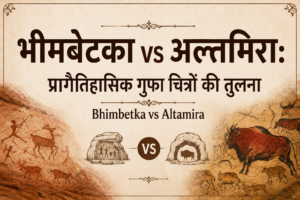
- भीमबेटका vs अल्तमिरा: प्रागैतिहासिक गुफा चित्रों की तुलना | Bhimbetka vs Altamira in Hindiभीमबेटका और अल्तमिरा के बीच प्रमुख अंतर जानें — कला शैली, तकनीक, कालखंड, विषय-वस्तु और … Read more
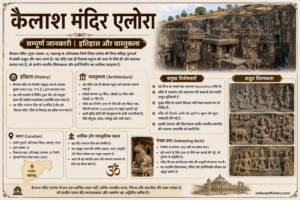
- कैलाश मंदिर एलोरा — सम्पूर्ण जानकारी | इतिहास, वास्तुकला और यात्रा गाइडकैलाश मंदिर एलोरा की सम्पूर्ण जानकारी हिंदी में — इतिहास, वास्तुकला, निर्माण का रहस्य, प्रवेश … Read more
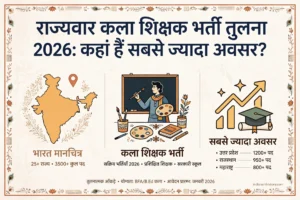
- राज्यवार कला शिक्षक भर्ती तुलना 2026: कहां हैं सबसे ज्यादा अवसर?State-wise art teacher recruitment: UP, दिल्ली, चंडीगढ़, ओडिशा, KVS — सभी प्रमुख कला शिक्षक भर्तियों … Read more
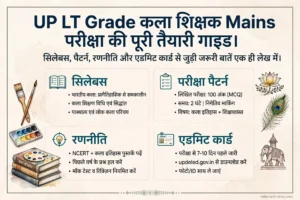
- UP LT Grade कला शिक्षक भर्ती: Mains परीक्षा की तैयारी कैसे करें (पूरी गाइड)UP LT Grade कला शिक्षक Mains परीक्षा की पूरी तैयारी गाइड। सिलेबस, पैटर्न, रणनीति और … Read more
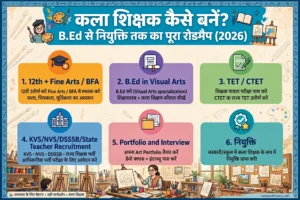
- कला शिक्षक कैसे बनें? B.Ed से नियुक्ति तक का पूरा रोडमैप (2026)कला शिक्षक बनने का पूरा रास्ता: B.A/B.F.A से B.Ed, TGT-PGT भर्ती तक। योग्यता, वेतनमान, जरूरी … Read more
- UGC NET Visual Arts दिसंबर 2026: तैयारी कैसे शुरू करें (पूरी गाइड)UGC NET Visual Arts दिसंबर 2026 चक्र की तैयारी। पात्रता, परीक्षा पैटर्न, सिलेबस और 3 … Read more
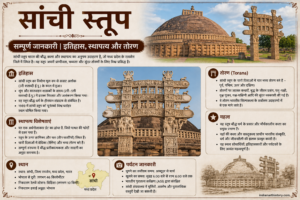
- सांची स्तूप — सम्पूर्ण जानकारी | इतिहास, स्थापत्य, तोरण और यात्रा गाइडसांची स्तूप का इतिहास, निर्माण, तोरण द्वार, मूर्तिकला और यात्रा से जुड़ी सम्पूर्ण जानकारी हिंदी … Read more
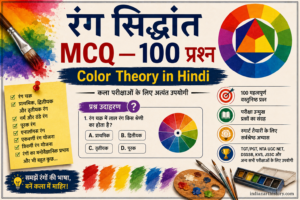
- रंग सिद्धांत MCQ — 100 प्रश्न उत्तर सहित Color Theory in Hindiरंग सिद्धांत MCQ के 100 प्रश्न उत्तर सहित पढ़ें। Primary, Secondary, Complementary Colors, Color Wheel, … Read more
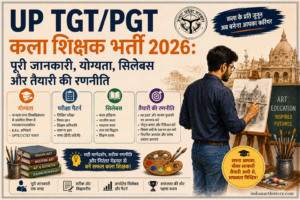
- UP TGT/PGT कला शिक्षक भर्ती 2026: पूरी जानकारी, योग्यता, सिलेबस और तैयारी की रणनीतिUP TGT/PGT कला शिक्षक भर्ती 2026 में 20,340+ पद। जानें योग्यता, चयन प्रक्रिया, सिलेबस, वेतनमान … Read more
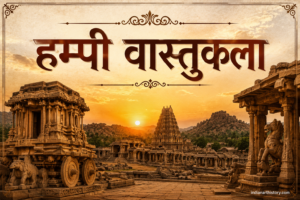
- हम्पी वास्तुकला — विशेषताएं, इतिहास और विजयनगर साम्राज्य की भव्य धरोहरहम्पी की वास्तुकला की संपूर्ण जानकारी — विट्ठल मंदिर, संगीतमय स्तंभ, पत्थर का रथ, लोटस … Read more
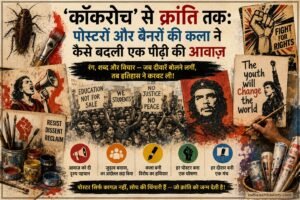
- ‘कॉकरोच’ से क्रांति तक: पोस्टरों और बैनरों की कला ने कैसे बदली एक पीढ़ी की आवाज़CJP आंदोलन सिर्फ राजनीतिक विरोध नहीं, बल्कि दृश्य कला और डिज़ाइन की एक नई भाषा … Read more
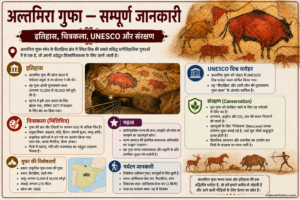
- अल्तमिरा गुफा — सम्पूर्ण जानकारी | इतिहास, चित्रकला, UNESCO और संरक्षणअल्तमिरा गुफा की सम्पूर्ण जानकारी हिंदी में पढ़ें — खोज का इतिहास, प्रागैतिहासिक चित्रकारी, UNESCO … Read more
- जोगीमारा गुफा — सम्पूर्ण जानकारी | इतिहास, भित्तिचित्र, अभिलेख और पर्यटनजोगीमारा गुफा छत्तीसगढ़ के सरगुजा जिले में स्थित भारत की सबसे प्राचीन भित्तिचित्र गुफा है। … Read more
- Partition की त्रासदी — जो कलाकारों ने Canvas पर उतारीPartition की त्रासदी:1947 के Partition ने लाखों ज़िंदगियां तोड़ीं — MF Husain, Tyeb Mehta, Amrita … Read more
- पी.टी. रेड्डी: जीवनी और 10 महत्वपूर्ण तथ्य | TGT PGT 2026पी.टी. रेड्डी — भारतीय आधुनिक कला के अग्रणी शिल्पी तेलंगाना के एक छोटे से गाँव अन्नाराम से निकलकर अंतर्राष्ट्रीय कला-जगत तक पहुँचने वाले पकाल तिरुमल रेड्डी (1915–1996) भारतीय आधुनिक कला के उन चुनिंदा शिल्पियों में से हैं जिन्होंने देश की कला को एक नई भाषा और नई पहचान दी। एक किसान परिवार में जन्मे रेड्डी ने परिवार के विरोध को दरकिनार कर बॉम्बे के प्रतिष्ठित J.J. स्कूल ऑफ आर्ट से डिप्लोमा प्राप्त किया और 1941 में ‘कंटेम्पोरेरी पेंटर्स ऑफ बॉम्बे’ की स्थापना की — जो प्रसिद्ध ‘प्रोग्रेसिव आर्टिस्ट्स ग्रुप’ से पूरे छह वर्ष पहले अस्तित्व में आई थी। यथार्थवाद से नव-तांत्रिक कला तक की उनकी यात्रा में लगभग 3000 कृतियों का सृजन हुआ जो आज Sotheby’s, Christie’s और विश्व के प्रमुख संग्रहालयों में संरक्षित हैं। पढ़ें — एक ऐसे कलाकार की अनूठी जीवनगाथा जो सिर्फ एक चित्रकार नहीं, बल्कि एक युग था।
- वो Paintings जो Indian Government ने Ban करवाईं — पूरी ListTitle: वो Paintings जो Indian Government ने Ban करवाईं — पूरी List जानिए उन paintings … Read more
- अमृता शेर-गिल MCQ in Hindi: 100 बहुविकल्पीय प्रश्न (उत्तर और व्याख्या सहित)अमृता शेर-गिल MCQ in Hindi — भारत की महान आधुनिक चित्रकार अमृता शेर-गिल पर 100 बहुविकल्पीय प्रश्न, सही उत्तर और एक-पंक्ति व्याख्या सहित। UPSC, State PSC, स्कूल और कला इतिहास परीक्षा की तैयारी के लिए उपयोगी। indianarthistory.com पर पढ़ें।
- Election Posters का इतिहास — Hand-painted Art से Digital Propaganda तकElection Posters का इतिहास — जानिए भारत में Election Posters के इतिहास की पूरी कहानी … Read more
- जब Cartoon ने Government गिरा दी — R.K. Laxman की शक्तिजानिए कैसे R.K. Laxman के Cartoons ने भारतीय राजनीति को हिलाया, Emergency में क्या हुआ, … Read more
- यामिनी कृष्णमूर्ति: जीवनी और 10 महत्वपूर्ण तथ्य | TGT PGT 2026यामिनी कृष्णमूर्ति — यह नाम भारतीय शास्त्रीय नृत्य की दुनिया में किसी परिचय का मोहताज नहीं। वे उन विरल कलाकारों में से हैं जिन्होंने भरतनाट्यम, कुचिपुड़ी और ओडिसी — तीन प्रमुख शास्त्रीय नृत्य शैलियों में एक साथ पूर्णता प्राप्त की और भारतीय संस्कृति को वैश्विक मंच पर गौरवान्वित किया। आंध्र प्रदेश में जन्मी इस महान नृत्यांगना ने बचपन से ही नृत्य को ईश्वर की उपासना माना और जीवन भर इसी साधना में समर्पित रहीं। पद्म श्री, पद्म भूषण और संगीत नाटक अकादमी पुरस्कार से सम्मानित यामिनी जी ने न केवल देश के कोने-कोने में अपनी कला का प्रकाश फैलाया, बल्कि दर्जनों देशों में भारतीय नृत्य की अमिट छाप छोड़ी। जानिए उनके जीवन, उनके गुरुओं, उनकी साधना और उनकी अतुलनीय विरासत की पूरी कहानी — इस विस्तृत हिन्दी लेख में।
- गोगी सरोज पाल: जीवन परिचय, कला शैली, प्रमुख कृतियाँ और भारतीय समकालीन कला में योगदानगोगी सरोज पाल (Gogi Saroj Pal) भारतीय समकालीन कला की प्रमुख महिला कलाकार हैं, जो … Read more
- अर्पणा कौर: जीवन परिचय, कला शैली, प्रमुख कृतियाँ, थीम्स और उपलब्धियाँ | Indian Contemporary Artistअर्पणा कौर भारतीय समकालीन कला की प्रमुख चित्रकार हैं। जानिए उनका जीवन परिचय, कला शैली, … Read more
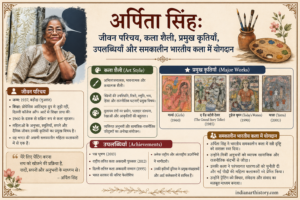
- अर्पिता सिंह: जीवन परिचय, कला शैली, प्रमुख कृतियाँ, उपलब्धियाँ और समकालीन भारतीय कला में योगदानअर्पिता सिंह भारतीय समकालीन कला की प्रमुख चित्रकार हैं। उनकी कथात्मक शैली, स्त्री-केंद्रित विषय, प्रमुख … Read more
- LT Grade Art Result 2026 — What Next? | Document Verification से Joining तक पूरी GuideLT Grade Art Result 2026 check करें और जानें — document verification process, merit list … Read more
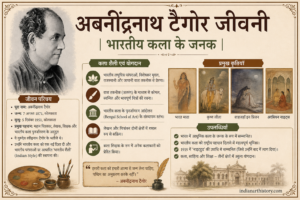
- अबनींद्रनाथ टैगोर जीवनी | भारतीय कला के जनकअबनींद्रनाथ टैगोर — यह नाम भारतीय कला के इतिहास में उसी तरह अमर है जैसे आकाश में ध्रुव तारा। 7 अगस्त 1871 को कोलकाता के प्रसिद्ध जोड़ासाँको ठाकुरबाड़ी में जन्मे अबनींद्रनाथ ने एक ऐसे युग में भारतीय कला की अलख जगाई जब यूरोपीय प्रभाव के सामने हमारी अपनी परंपराएँ दम तोड़ रही थीं। रवींद्रनाथ टैगोर के भतीजे और बंगाल स्कूल ऑफ आर्ट के संस्थापक, अबनींद्रनाथ ने अपने붓 की एक-एक रेखा से भारत की आत्मा को कैनवास पर उतारा। उनकी कालजयी कृति **’भारत माता’** (1905) आज भी हर भारतीय के हृदय में एक अलग ही भाव जगाती है। जानिए इस महान कलाकार, विचारक और सांस्कृतिक योद्धा की पूरी जीवन-गाथा — उनकी कला, उनका संघर्ष, उनके शिष्य और वह विरासत जो आज भी भारतीय कला को दिशा देती है।
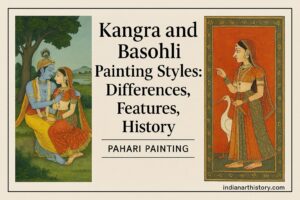
- कांगड़ा और बसोहली चित्रकला शैली: अंतर, विशेषताएं, इतिहास | Pahari Painting Hindiकांगड़ा और बसोहली चित्रकला शैली का पूरा तुलनात्मक अध्ययन—इतिहास, विशेषताएं, अंतर, चित्रकार और सांस्कृतिक महत्व … Read more
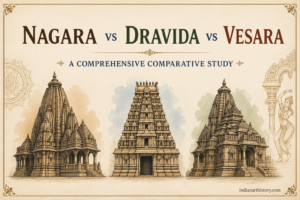
- नागर vs द्रविड़ vs वेसर — सम्पूर्ण तुलनात्मक अध्ययननागर, द्रविड़ और वेसर शैली के नोट्स, MCQs, तुलना, ट्रिक्स और इन्फोग्राफिक्स — TGT, PGT, … Read more
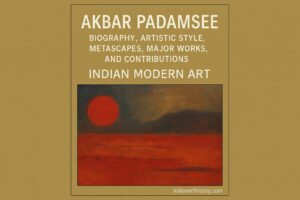
- अकबर पदमसी: जीवन परिचय, कला शैली, Metascapes, प्रमुख कृतियाँ और योगदान | Indian Modern Artअकबर पदमसी के जीवन, कला शैली, Metascapes श्रृंखला, प्रमुख पेंटिंग्स, पुरस्कार और भारतीय आधुनिक कला … Read more
- दक्षिण भारतीय मूर्तिकला MCQ | 100 Questionsदक्षिण भारतीय मूर्तिकला भारतीय कला की सबसे समृद्ध और विविधतापूर्ण परंपराओं में से एक है। … Read more
- तमिलनाडु की लोक कला MCQ | 100 महत्वपूर्ण प्रश्नतमिलनाडु की लोक कला MCQ — 100 बहुविकल्पीय प्रश्न उत्तर सहित। तंजावुर पेंटिंग, कोलम, भरतनाट्यम, … Read more
- मदुरै शैली MCQ | 100 बहुविकल्पीय प्रश्न उत्तर एवं व्याख्या सहितमदुरै शैली MCQ — 100 महत्वपूर्ण बहुविकल्पीय प्रश्न उत्तर सहित। UPSC, UGC-NET, TET और राज्य … Read more
- लिपाई कला MCQ | 100 बहुविकल्पीय प्रश्नोत्तरलिपाई कला MCQ के 100 प्रश्नोत्तर A/B/C/D विकल्पों के साथ। भारतीय लोक कला की इस … Read more
- तोरण कला MCQ | 100 बहुविकल्पीय प्रश्न उत्तर सहिततोरण कला MCQ — सांची स्तूप, भरहुत, अमरावती और गांधार शैली पर आधारित 100 बहुविकल्पीय … Read more
- पिछवाई चित्रकला MCQ | 100 बहुविकल्पीय प्रश्न उत्तर सहितपिछवाई चित्रकला MCQ के 100 प्रश्न उत्तर सहित — UPSC, RPSC, UGC-NET और राज्य सेवा … Read more
- सारनाथ कला MCQ | 100 बहुविकल्पीय प्रश्न उत्तर सहितसारनाथ कला MCQ — बौद्ध धर्म के इस पवित्र तीर्थस्थल से जुड़े 100 महत्वपूर्ण बहुविकल्पीय प्रश्न। इस संग्रह में धमेख स्तूप, अशोक स्तंभ, सिंह शीर्ष, धर्मचक्र प्रवर्तन मुद्रा और गुप्तकालीन मूर्तिकला शैली से जुड़े प्रश्न शामिल हैं। UPSC, UGC-NET और सभी प्रतियोगी परीक्षाओं के लिए उपयोगी यह सारनाथ कला MCQ श्रृंखला मौर्य, कुषाण और गुप्त काल की कलाकृतियों को सरल व्याख्या के साथ प्रस्तुत करती है। प्रत्येक प्रश्न के साथ सही उत्तर और एक-पंक्ति स्पष्टीकरण दिया गया है। अपनी भारतीय कला इतिहास की तैयारी को और मजबूत बनाएं — आज ही पूरा लेख पढ़ें।
- ओणम और केरल की कला — Pookalam से Mural तकओणम और केरल की कला — Pookalam से Mural तक: ओणम केरल का सबसे बड़ा … Read more
- ईद और Islamic Art in India: Calligraphy, Geometry और भारतीय शिल्प की अनूठी दुनियाईद और Islamic Art in India: जानें भारत की समृद्ध Islamic Art परंपरा — Calligraphy, … Read more
- चोल कला MCQ | 100 बहुविकल्पीय प्रश्न उत्तर सहितक्या आप चोल कला MCQ की तलाश में हैं? Indian Art History पर प्रस्तुत इस विशेष संग्रह में 100 बहुविकल्पीय प्रश्न (MCQ) दिए गए हैं जो UPSC, UGC NET, SSC और राज्य PSC परीक्षाओं के लिए अत्यंत उपयोगी हैं। चोल वंश (9वीं–13वीं शताब्दी) दक्षिण भारतीय कला का स्वर्णिम काल था — जब तंजावुर का बृहदेश्वर मंदिर, नटराज की विश्वप्रसिद्ध कांस्य प्रतिमा और द्रविड़ स्थापत्य शैली अपने शिखर पर थे। प्रत्येक प्रश्न के साथ सरल हिंदी व्याख्या भी दी गई है ताकि आप सही उत्तर के साथ-साथ चोल कला का गहन ज्ञान भी प्राप्त कर सकें। अभी पढ़ें और अपनी परीक्षा की तैयारी को एक नई ऊंचाई दें!
- पल्लव कला MCQ | 100 बहुविकल्पीय प्रश्न उत्तर सहितक्या आप पल्लव कला MCQ की तलाश में हैं? यहाँ पाएँ 100 महत्वपूर्ण बहुविकल्पीय प्रश्न (A/B/C/D विकल्प, सही उत्तर और व्याख्या सहित) — जो UPSC, SSC, TET, State PSC और सभी प्रतियोगी परीक्षाओं के लिए उपयोगी हैं। इस संग्रह में पल्लव वंश की स्थापना, महाबलिपुरम के रथ मंदिर, कांचीपुरम का कैलाशनाथ मंदिर, गंगावतरण शैल-उत्कीर्णन, द्राविड़ स्थापत्य शैली और पल्लव मूर्तिकला जैसे सभी प्रमुख विषयों को कवर किया गया है। भारतीय कला इतिहास की परीक्षाओं में पल्लव काल एक अत्यंत स्कोरिंग टॉपिक है — इसलिए इन प्रश्नों को एक बार ज़रूर हल करें और अपनी तैयारी को मज़बूत बनाएँ!
- सातवाहन कला MCQ | 100 महत्वपूर्ण प्रश्न उत्तर सहितसातवाहन कला MCQ — भारतीय कला इतिहास में सातवाहन काल का स्थान अत्यंत महत्वपूर्ण है। अमरावती कला शैली, सातवाहन काल की बौद्ध मूर्तिकला, रॉक-कट स्थापत्य और नागार्जुनकोंडा के स्तूपों से संबंधित 100 MCQ प्रश्न — उत्तर और एक-पंक्ति व्याख्या सहित — UPSC, SSC, राज्य लोक सेवा आयोग और सभी कला इतिहास परीक्षाओं के लिए। Indian Art History: Get All Art History At One Place!
- जयपुर चित्रकला MCQ | 100 प्रश्न उत्तर सहितक्या आप जयपुर चित्रकला MCQ की तैयारी कर रहे हैं? इस लेख में Indian Art History द्वारा प्रस्तुत 100 महत्त्वपूर्ण बहुविकल्पीय प्रश्न हैं — उत्तर और व्याख्या सहित। जयपुर चित्रकला शैली, जिसे राजपूत चित्रकला की सबसे समृद्ध उपशाखा माना जाता है, के इतिहास, तकनीक, विषय-वस्तु, प्रमुख चित्रकारों और मुगल-राजपूत प्रभाव को समेटे ये प्रश्न UPSC, RPSC, और कला इतिहास परीक्षाओं के लिए अत्यंत उपयोगी हैं। राधा-कृष्ण लीला, रागमाला, नायिका-भेद, बारहमासा और लघुचित्र परंपरा से जुड़े सभी महत्त्वपूर्ण तथ्य एक ही स्थान पर पाएँ। अभी पढ़ें और अपनी जयपुर चित्रकला की तैयारी को एक नई ऊँचाई दें!
- किशनगढ़ चित्रकला MCQ | 100 महत्वपूर्ण प्रश्न उत्तरकिशनगढ़ चित्रकला MCQ — राजस्थान की इस अद्भुत लघुचित्र शैली पर 100 बहुविकल्पीय प्रश्न उत्तर और व्याख्या सहित। बणी-ठणी, निहालचंद, नागरीदास और राधा-कृष्ण की रासलीला से जुड़े सभी महत्वपूर्ण प्रश्न एक ही जगह। RPSC, राजस्थान GK, UGC NET और कला परीक्षाओं की तैयारी के लिए सर्वश्रेष्ठ अध्ययन सामग्री।
- शाहजहां काल की चित्रकला MCQ | 100 प्रश्न उत्तर सहितशाहजहां काल की चित्रकला MCQ — 100 बहुविकल्पीय प्रश्न उत्तर सहित! मुगल लघुचित्रकला के स्वर्णिम काल (1628–1658) को जानें — पादशाहनामा, प्रमुख चित्रकार, यूरोपीय प्रभाव और दरबारी शैली पर आधारित प्रश्नोत्तरी। UPSC, UGC NET, LT Grade, कला इतिहास परीक्षाओं के लिए उपयोगी। प्रत्येक प्रश्न के साथ व्याख्या सहित उत्तर।
- मुगल चित्रकला के प्रमुख चित्रकार MCQ | 100 बहुविकल्पीय प्रश्न उत्तर सहितमुगल चित्रकला के प्रमुख चित्रकार MCQ | 100 महत्वपूर्ण बहुविकल्पीय प्रश्न: मुगल चित्रकला भारतीय कला इतिहास का एक स्वर्णिम अध्याय है। इस लेख में मुगल चित्रकला के प्रमुख चित्रकारों पर आधारित 100 MCQ प्रश्न दिए गए हैं — जो UPSC, State PSC, NET तथा कला इतिहास की सभी प्रतियोगी परीक्षाओं के लिए अत्यंत उपयोगी हैं। दसवंत, बसावन, उस्ताद मंसूर, अबुल हसन और बिशन दास जैसे महान कलाकारों की उपाधियाँ, प्रमुख कृतियाँ और विशेषताओं पर केंद्रित ये प्रश्न आपकी परीक्षा तैयारी को और मज़बूत बनाएंगे। प्रत्येक प्रश्न के साथ सही उत्तर और एक-पंक्ति की सरल व्याख्या भी दी गई है।
- रज्मनामा MCQ | 100 बहुविकल्पीय प्रश्न उत्तर सहितरज्मनामा MCQ — क्या आप जानते हैं कि मुगल सम्राट अकबर ने महाभारत का फ़ारसी में अनुवाद ‘रज्मनामा’ (युद्धों की पुस्तक) के नाम से कराया था? यह अनुवाद भारतीय और ईरानी कला-संस्कृति के संगम का जीवंत प्रमाण है। इस लेख में हम रज्मनामा से जुड़े 100 महत्वपूर्ण बहुविकल्पीय प्रश्न (MCQ) प्रस्तुत कर रहे हैं — सही उत्तर और एक-पंक्ति व्याख्या सहित। ये रज्मनामा MCQ प्रश्न UPSC, UGC NET, State PSC, SET तथा अन्य प्रतियोगी परीक्षाओं के अभ्यर्थियों के लिए विशेष रूप से उपयोगी हैं। Indian Art History पर कला-इतिहास की सम्पूर्ण तैयारी करें।
- तूतीनामा MCQ | 100 बहुविकल्पीय प्रश्न उत्तर सहिततूतीनामा MCQ — 100 बहुविकल्पीय प्रश्न उत्तर एवं व्याख्या सहित। तूतीनामा 14वीं शताब्दी की एक प्रसिद्ध फ़ारसी कथा-पुस्तक है जिसे ज़ियाउद्दीन नख्शबी ने संस्कृत के शुकसप्तति से अनुवाद कर रचा और बाद में अकबर के शाही दरबार में इसकी भव्य मुगल चित्रावली तैयार हुई। इस संग्रह में तूतीनामा से जुड़े इतिहास, चित्रकला, पात्र, कथा-संरचना और सांस्कृतिक महत्त्व पर आधारित 100 MCQ प्रश्न दिए गए हैं जो UGC NET, स्नातकोत्तर प्रवेश परीक्षाओं एवं अन्य प्रतियोगी परीक्षाओं की तैयारी के लिए अत्यंत उपयोगी हैं।
- औरंगजेब और चित्रकला MCQ | 100 महत्त्वपूर्ण प्रश्न उत्तर सहितऔरंगजेब और चित्रकला MCQ | 100 महत्त्वपूर्ण प्रश्न | मुगल सम्राट औरंगजेब (1658–1707) की कट्टर धार्मिक नीतियों ने भारतीय चित्रकला के इतिहास को एक नई दिशा दी। उनके शासनकाल में दरबारी चित्रकला पर प्रतिबंध लगा, जिससे मुगल चित्रकार राजपूत और पहाड़ी रियासतों की ओर पलायन कर गए — और वहाँ कांगड़ा, बसोहली तथा किशनगढ़ जैसी विश्वप्रसिद्ध शैलियों का जन्म हुआ। UPSC, SSC व State PSC परीक्षाओं की तैयारी के लिए इस लेख में दिए गए 100 MCQ प्रश्न उत्तर सहित आपकी तैयारी को पक्का करेंगे।
- जहांगीर काल की चित्रकला MCQ | 100 प्रश्न उत्तर सहितजहांगीर काल की चित्रकला MCQ — मुगल चित्रकला के स्वर्ण युग से जुड़े 100 महत्वपूर्ण बहुविकल्पीय प्रश्न (MCQ) जो UPSC, State PSC, UGC NET और अन्य प्रतियोगी परीक्षाओं के लिए अत्यंत उपयोगी हैं। जहांगीर काल की चित्रकला की विशेषताएँ, प्रमुख चित्रकार जैसे अबुल हसन, उस्ताद मंसूर और बिशनदास, तथा तुजुक-ए-जहांगीरी से संबंधित सभी परीक्षा-उपयोगी प्रश्न एक ही स्थान पर पाएँ। उत्तर और व्याख्या सहित यह MCQ श्रृंखला आपकी तैयारी को मजबूत बनाएगी।
- अकबर काल की चित्रकला MCQ | 100 बहुविकल्पीय प्रश्नअकबर काल की चित्रकला MCQ — क्या आप मुगल चित्रकला से जुड़े महत्वपूर्ण बहुविकल्पीय प्रश्नों की तलाश में हैं? इस लेख में अकबर काल की चित्रकला MCQ के 100 प्रश्न दिए गए हैं, जो UPSC, SSC, State PCS और अन्य प्रतियोगी परीक्षाओं की तैयारी के लिए अत्यंत उपयोगी हैं। अकबर के शासनकाल में मुगल चित्रकला शैली का स्वर्णिम विकास हुआ, जिसमें दसवंत, बसावन और अब्द-अल-समद जैसे महान चित्रकारों ने हम्ज़ानामा और अकबरनामा जैसी ऐतिहासिक कृतियों को जीवंत किया। ये Akbar Kaal Ki Chitrakala MCQ प्रश्न परीक्षा पैटर्न के अनुसार तैयार किए गए हैं और प्रत्येक प्रश्न के साथ सरल हिंदी में स्पष्टीकरण भी दिया गया है। मुगल पेंटिंग, फ़ारसी शैली का प्रभाव, चित्रकला की तकनीकें और प्रमुख ग्रंथों से जुड़े सभी टॉपिक इस MCQ सीरीज़ में शामिल हैं। अभी पढ़ें और अपनी परीक्षा की तैयारी को एक नई दिशा दें!
- राष्ट्रकूट कला MCQ | 100 महत्वपूर्ण बहुविकल्पीय प्रश्न उत्तर सहितराष्ट्रकूट कला MCQ — इस लेख में राष्ट्रकूट वंश की कला, स्थापत्य और मूर्तिकला पर आधारित 100 महत्वपूर्ण बहुविकल्पीय प्रश्न (MCQ) दिए गए हैं। एलोरा का कैलाश मंदिर, एलेफेंटा की गुफाएँ, रॉक-कट वास्तुकला और प्रमुख राष्ट्रकूट शासकों से जुड़े ये प्रश्न UPSC, राज्य PSC, NET/JRF और अन्य प्रतियोगी परीक्षाओं के लिए अत्यंत उपयोगी हैं। प्रत्येक प्रश्न के साथ सही उत्तर और एक-पंक्ति स्पष्टीकरण भी दिया गया है।
- लोक कला — भारत की जीवंत सांस्कृतिक धरोहरलोक कला — भारत की जीवंत सांस्कृतिक धरोहर भारत विविधताओं का देश है — यहाँ की माटी में सदियों पुरानी कलाएं साँस लेती हैं। इस विशाल देश के हर कोने में एक अनोखी कहानी है, एक अनोखा रंग है, एक अनोखी आवाज़ है — और इन सबको एक सूत्र में पिरोती है लोक कला। लोक कला वह सजीव परंपरा है जो किसी विशेष समाज, जाति या क्षेत्र के जीवन से स्वाभाविक रूप से उपजती है। यह किसी विश्वविद्यालय में नहीं सीखी जाती — यह दादी-नानी की उंगलियों से होते हुए पोते-पोतियों तक पहुँचती है। यह मिट्टी की दीवारों पर उकेरी जाती है, त्योहारों में रंगोली बनकर बिखरती है, और साड़ियों की बुनावट में ज़िंदगी की कहानियाँ सुनाती है। बिहार की मधुबनी चित्रकला में सीता के विवाह की छटा है, महाराष्ट्र की वारली कला में आदिवासी जीवन की सरलता है, ओडिशा की पटचित्र में जगन्नाथ की भक्ति है, और राजस्थान की फड़ चित्रकला में लोकनायकों की वीरगाथा है। हर कला अपने क्षेत्र की पहचान है, हर रेखा एक इतिहास है। आज जब मशीनें हर चीज़ बना सकती हैं, तब भी एक हाथ से बनी मधुबनी पेंटिंग जो भावना जगाती है — वह कोई मशीन नहीं जगा सकती। इसीलिए लोक कला का संरक्षण आज की सबसे बड़ी सांस्कृतिक ज़िम्मेदारी है। इस लेख में हम भारत की प्रमुख लोक कला शैलियों, उनके इतिहास, प्रसिद्ध कलाकारों, सामाजिक महत्व और आधुनिक चुनौतियों का विस्तृत अध्ययन करेंगे — ताकि हम अपनी जड़ों को और गहराई से समझ सकें।
- एलिफेंटा गुफा MCQ | 100 महत्वपूर्ण प्रश्न उत्तर सहितक्या आप एलिफेंटा गुफा MCQ की तलाश में हैं? यहाँ पाएँ 100 महत्वपूर्ण बहुविकल्पीय प्रश्न (Elephanta Caves MCQ) हिंदी में — उत्तर और व्याख्या सहित। UPSC, SSC, UGC NET और राज्य PSC परीक्षाओं के लिए उपयोगी। UNESCO विश्व धरोहर घारापुरी गुफाओं की त्रिमूर्ति, नटराज, अर्धनारीश्वर, कलचुरी वंश और भारतीय शैव मूर्तिकला पर आधारित सम्पूर्ण प्रश्नोत्तर संग्रह — अभी पढ़ें!
- TGT Art Exam — Last 30 Days Strategy | Complete Week-wise Plan in HindiTGT Art Exam 2026 के लिए last 30 days की complete strategy — week-wise plan, … Read more
- UGC NET June 2026 Final Week Preparation: Paper 1 & 2 की Complete Strategy हिंदी मेंUGC NET June 2026 के आखिरी हफ्ते की complete preparation strategy — Paper 1 Top … Read more
- बूंदी चित्रकला MCQ | 100 Questions in Hindiबूंदी चित्रकला MCQ in Hindi — इस लेख में बूंदी चित्रशैली पर आधारित 100 महत्वपूर्ण वस्तुनिष्ठ प्रश्न (MCQ) उत्तर और व्याख्या सहित दिए गए हैं। बूंदी पेंटिंग MCQ के ये प्रश्न RPSC, REET, UGC NET, UPSC और राजस्थान की अन्य प्रतियोगी परीक्षाओं की तैयारी के लिए अत्यंत उपयोगी हैं। इस संग्रह में बूंदी चित्रकला की विशेषताएं, रंग योजना, प्रमुख विषय, ऐतिहासिक विकास, पशु-पक्षी चित्रण, धार्मिक व श्रृंगार विषयों से संबंधित सभी महत्वपूर्ण प्रश्न शामिल हैं। Bundi Chitrakala MCQ Hindi में पढ़ें और अपनी परीक्षा की तैयारी को और मजबूत बनाएं।
- चालुक्य कला MCQ | 100 महत्वपूर्ण प्रश्न उत्तर सहितक्या आप चालुक्य कला MCQ की तलाश में हैं? यहाँ पाएँ 100 महत्वपूर्ण बहुविकल्पीय प्रश्न — उत्तर और व्याख्या सहित। बादामी, ऐहोले और पट्टदकल की स्थापत्य कला, मूर्तिकला, शासक और शिलालेखों पर आधारित ये प्रश्न UPSC, State PSC, UGC NET और SSC जैसी प्रतियोगी परीक्षाओं के लिए अत्यंत उपयोगी हैं। चालुक्य वंश की नागर, द्रविड़ और वेसर शैली को समझें — सरल भाषा में, एक ही स्थान पर। अभी पढ़ें और अपनी तैयारी को मज़बूत बनाएँ!
- TGT Art Question Paper 4 June 2026 with All 125 Questions & Answers in HindiTGT Art Question Paper 4 June 2026 question paper with all 125 questions and correct … Read more
- जब Emergency में Artists ने अपना विरोध Canvas पर उतारा1975-77 की Emergency में भारतीय Artists ने कैसे अपनी कला से सरकारी दमन का विरोध … Read more
- BJP vs Congress — दोनों ने Indian Art को कैसे Use किया?जानिए कैसे BJP और Congress ने Indian Art को political tool की तरह use किया … Read more
- क्यूबिज्म कला MCQ | 100 प्रश्न उत्तर सहितक्यूबिज्म कला MCQ: पाब्लो पिकासो और जॉर्ज ब्राक द्वारा विकसित क्यूबिज्म आंदोलन पर आधारित 100 बहुविकल्पीय प्रश्न (MCQ) उत्तर सहित। ये क्यूबिज्म MCQ प्रश्न UPSC, NET, State PSC और कला परीक्षाओं के लिए अत्यंत उपयोगी हैं। Indian Art History पर Get All Art History At One Place।
- जब Film Directors ने Indian Miniature Art से Scenes Copy किएजानिए कैसे Satyajit Ray, Shyam Benegal और Sanjay Leela Bhansali ने Indian Miniature Painting से … Read more
- पाश्चात्य कला आंदोलन: संपूर्ण परिचय | TGT PGT नोट्सपाश्चात्य कला आंदोलन केवल रंग और तूलिका की कहानी नहीं हैं — ये मानव सभ्यता के संघर्ष, भावनाओं और क्रांतियों के जीवंत दस्तावेज़ हैं। 14वीं सदी के पुनर्जागरण से लेकर आज की समकालीन और डिजिटल कला तक, यह लेख आपको 15 महान कला आंदोलनों की एक रोचक यात्रा पर ले जाएगा। लियोनार्दो दा विंची, पिकासो, वान गॉग, साल्वादोर दाली जैसे महान कलाकारों की प्रेरणादायक कहानियाँ, उनकी अमर कृतियाँ, प्रत्येक आंदोलन की विशेषताएँ — सब कुछ सरल हिंदी में। साथ में 20 MCQs और FAQs भी। कला प्रेमियों और विद्यार्थियों के लिए एक संपूर्ण मार्गदर्शिका।
- TGT Art- Fail हो गए? — अगली बार ऐसे करें तैयारी | TGT Art Fail StrategyTGT Art fail हो गए? घबराएं नहीं — जानें सही self-analysis, 60 दिन का study … Read more
- पुनर्जागरण कला MCQ | 100 बहुविकल्पीय प्रश्न व्याख्या सहितक्या आप पुनर्जागरण कला के बारे में कितना जानते हैं? इस लेख में प्रस्तुत हैं 100 बहुविकल्पीय प्रश्न (MCQ) — व्याख्या सहित — जो आपकी परीक्षा की तैयारी को एक नया आयाम देंगे। लियोनार्दो दा विंची की Mona Lisa से लेकर माइकेलेंजेलो की Sistine Chapel तक, हर महत्वपूर्ण विषय को इन प्रश्नों में समेटा गया है। अभी पढ़ें और अपना स्कोर परखें!
- मधुबनी में खाली जगह क्यों नहीं छोड़ते? — असली कारणमधुबनी कला में खाली जगह क्यों नहीं छोड़ते? जानें धार्मिक, दार्शनिक और सौंदर्यशास्त्रीय कारण, Horror … Read more
- अतियथार्थवाद MCQ- Surrealism Hindi | 100 प्रश्न उत्तर सहितअतियथार्थवाद MCQ | Surrealism 100 बहुविकल्पीय प्रश्न उत्तर सहित अतियथार्थवाद (Surrealism) कला इतिहास का एक महत्वपूर्ण अध्याय है। इस लेख में अतियथार्थवाद MCQ के 100 प्रश्न विस्तृत व्याख्या और सही उत्तर सहित प्रस्तुत किए गए हैं। साल्वाडोर डाली, रेने मैग्रिट, मैक्स अर्न्स्ट, होआन मिरो और फ्रीदा काह्लो जैसे प्रमुख अतियथार्थवादी कलाकारों की कृतियों, तकनीकों जैसे Automatism, Frottage, Decalcomania और Surrealist Manifesto पर आधारित ये MCQ UGC NET, UPSC, कला शिक्षक भर्ती परीक्षा और अन्य प्रतियोगी परीक्षाओं की तैयारी के लिए अत्यंत उपयोगी हैं। अतियथार्थवाद के सैद्धांतिक आधार, फ्रायड के अवचेतन सिद्धांत और प्रमुख कृतियों को सरल हिंदी में समझें। अधिक कला इतिहास अध्ययन सामग्री के लिए indianarthistory.com पर जाएँ।
- UPSC Art Mock Test Hindi | 100 MCQ Practice Set with Answer KeyUPSC Art Mock Test Hindi में 100 MCQ हल करें — Ancient Art, Medieval Painting, … Read more
- पाश्चात्य कला आंदोलन MCQ | 100 प्रश्न हिंदी में | Indian Art Historyक्या आप पाश्चात्य कला आंदोलन MCQ की तलाश में हैं? यहाँ मिलेंगे 100 बहुविकल्पीय प्रश्न हिंदी में — A/B/C/D विकल्पों और सरल व्याख्या के साथ। Renaissance से Digital Art तक, हर आंदोलन को आसान भाषा में समझें। UPSC, UGC NET और कला परीक्षाओं की तैयारी के लिए एकदम सही!
- B.Ed Art Mock Test — 100 प्रश्न | Complete Practice SetB.Ed Art Mock Test में 100 MCQ प्रश्न हिंदी में — कला सामान्य ज्ञान, शिक्षण … Read more
- ₹1 में खरीदी पेंटिंग — ₹10 करोड़ में बेची, यह कैसे हुआ?
 जानिए कैसे Amrita Sher-Gil और Gaitonde जैसी सस्ती पेंटिंग करोड़ों में बिकी। Art investment के … Read more
 - वो Museum जहां भारत की 1000 कला-कृतियां धूल खा रही हैंजानिए कैसे भारत के Museums में 2 लाख से अधिक कला-कृतियां storage में बंद हैं। … Read more
- भारत के वो 5 कलाकार जो करोड़पति बने अपनी कला सेजानिए उन 5 भारतीय कलाकारों की कहानी जो अपनी कला से करोड़पति बने — MF … Read more
- Art Student होने पर शर्म क्यों? — Arts में Career Scope की पूरी सच्चाईArts student career scope जानिए पूरी detail में — government jobs, graphic design, animation, IAS, … Read more
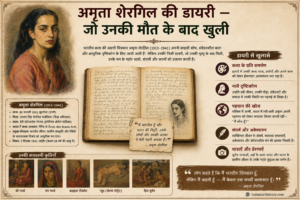
- अमृता शेरगिल की डायरी — जो उनकी मौत के बाद खुलीअमृता शेरगिल डायरी रहस्य: 28 साल की उम्र में रहस्यमय मौत, Paris की ज़िंदगी, प्रेम, … Read more
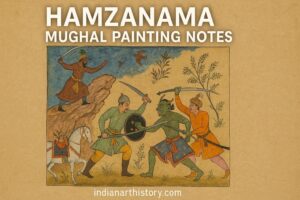
- हम्जानामा — मुगल चित्रकला | Hamzanama Mughal Painting Notes in Hindiहम्जानामा — मुगल चित्रकला का महाग्रंथ मुगल इतिहास की सबसे भव्य सचित्र पाण्डुलिपि हम्जानामा की रोचक दुनिया में आपका स्वागत है। सम्राट अकबर के आदेश पर 1558–1573 के बीच निर्मित इस महाग्रंथ में लगभग 1,400 विशाल चित्र कपड़े पर बनाए गए, जिनमें पहली बार फ़ारसी और भारतीय कला का अद्भुत संगम देखने को मिला। जानिए कैसे मीर सैय्यद अली और अब्दुस समद के नेतृत्व में 100 से अधिक हिंदू-मुस्लिम कलाकारों ने अमीर हम्जा की वीर-गाथाओं को जीवंत रंगों में उकेरा। इस विस्तृत लेख में पढ़ें — कलात्मक विशेषताएँ, चित्रों की तालिका, प्रमुख कलाकार, 20 MCQs और FAQs — जो छात्रों, कला-प्रेमियों और प्रतियोगी परीक्षाओं की तैयारी करने वालों के लिए अत्यंत उपयोगी है। 📖 पूरा लेख पढ़ें IndianArtHistory.com पर — Get All Art History At One Place
- NEP 2020 और कला शिक्षा MCQ | 100 प्रश्न उत्तर सहितNEP 2020 कला शिक्षा MCQ — 100 MCQ उत्तर सहित, 5+3+3+4 Structure, Art Integration, Heritage … Read more
- चित्रसूत्र MCQ in Hindi | 100 महत्वपूर्ण बहुविकल्पीय प्रश्न उत्तर और व्याख्या सहितचित्रसूत्र MCQ in Hindi — विष्णुधर्मोत्तर पुराण के सर्वाधिक महत्वपूर्ण अध्याय ‘चित्रसूत्र’ पर आधारित 100 बहुविकल्पीय प्रश्न (MCQ) उत्तर और व्याख्या सहित। षडंग सिद्धांत, ताल प्रमाण, रंग विधान और भाव-अभिव्यक्ति से संबंधित ये Chitrasutras MCQ in Hindi प्रश्न UPSC, State PSC, UGC NET, B.A., M.A. एवं ललित कला परीक्षाओं की तैयारी के लिए अत्यंत उपयोगी हैं।
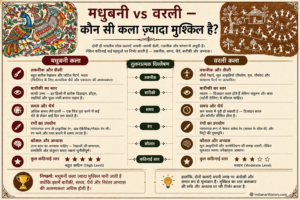
- मधुबनी vs वरली — कौन सी कला ज़्यादा मुश्किल है?मधुबनी और वरली कला में कौन ज़्यादा मुश्किल है? जानिए दोनों की तकनीक, शैलियां, रंग, … Read more
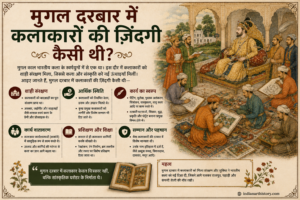
- मुगल दरबार में कलाकारों की ज़िंदगी कैसी थी?जानिए मुगल दरबार कलाकार जीवन की पूरी सच्चाई — Kitabkhana, hierarchy, वेतन, दसवंत, बसावन, मंसूर … Read more
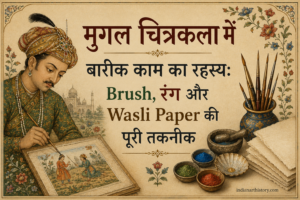
- मुगल चित्रकला में बारीक काम का रहस्य: Brush, रंग और Wasli Paper की पूरी तकनीकजानिए मुगल चित्रकला तकनीक रहस्य — गिलहरी के बाल से बने Brush, लापीस लाजुली के … Read more
- भारतीय कला का वो दौर जब सब कुछ बदल गया — 1947 के बाद1947 के बाद भारतीय कला में क्या बदला? PAG, MF हुसैन, SH Raza, Lalit Kala … Read more
- NCF 2005 और कला शिक्षा MCQ | 100 प्रश्न उत्तर सहितNCF 2005 कला शिक्षा MCQ — 100 बहुविकल्पीय प्रश्न उत्तर सहित। Visual Art, Performing Art, … Read more
- MF हुसैन ने जूते क्यों नहीं पहने — असली कहानी और अनसुने किस्सेजानिए MF हुसैन जूते क्यों नहीं पहनते थे — बचपन की गरीबी, कला के प्रति … Read more
- भारत का वो कलाकार जिसकी पेंटिंग NASA ने खरीदीजानिए उस भारतीय कलाकार की पूरी कहानी जिसकी पेंटिंग NASA ने खरीदी। विज्ञान और भारतीय … Read more