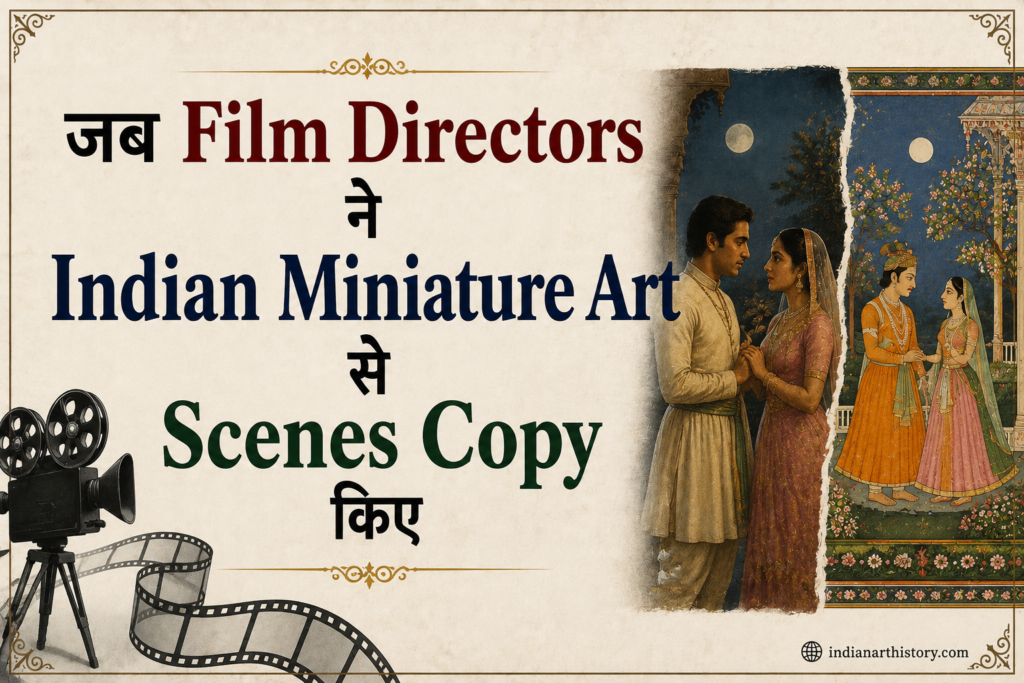
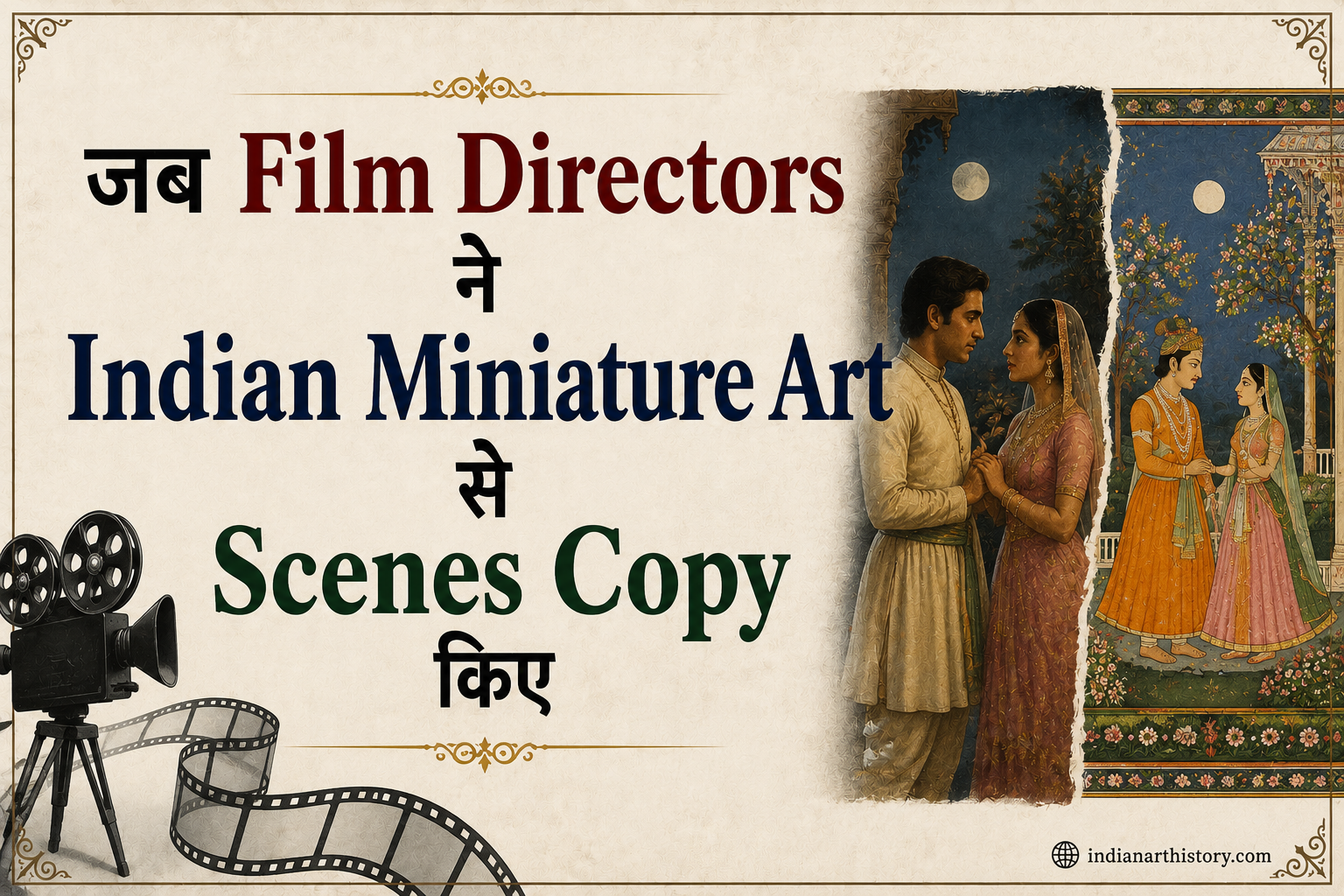
जानिए कैसे Satyajit Ray, Shyam Benegal और Sanjay Leela Bhansali ने Indian Miniature Painting से film frames compose किए — एक deep visual connection जो art और cinema को जोड़ता है।
Film Directors copied Miniature Art
Table of Contents
परिचय: Art और Cinema — एक Secret Relationship
भारतीय सिनेमा और भारतीय चित्रकला — दोनों अलग-अलग माध्यम लगते हैं, लेकिन अगर आप गहराई से देखें, तो इनके बीच एक गहरा, अनकहा रिश्ता है। एक रिश्ता जो सदियों पुरानी Indian Miniature Painting की परंपरा और 20वीं सदी के celluloid frames के बीच चुपचाप बुना गया है।
जब कोई film director किसी scene को frame करता है — यानी तय करता है कि camera कहाँ होगा, characters कहाँ खड़े होंगे, background में क्या दिखेगा, रंग कैसे होंगे — तो वह असल में एक painter की तरह सोच रहा होता है। और जब वह painter भारतीय होता है, तो उसके अवचेतन में — चाहे वह माने या न माने — सदियों की Miniature Art की विरासत जीवित रहती है।
यह लेख उसी secret relationship को उजागर करता है।
भारत में Miniature Painting की शुरुआत 8वीं-9वीं सदी से मानी जाती है। Mughal Miniature, Rajput Miniature, Pahari, Deccan — इन सभी शैलियों ने मिलकर एक ऐसी visual language बनाई जो पूरी तरह भारतीय थी। इन paintings में space का use अलग होता था, perspective Western नहीं बल्कि layered होता था, रंग symbolic होते थे, और हर element का एक meaning होता था।
जब भारतीय cinema ने जन्म लिया — और जब उसके directors ने visual storytelling सीखी — तो वे अनजाने में उसी visual grammar को अपनाते चले गए जो Indian Miniature Paintings ने सदियों में विकसित की थी।
कुछ directors ने यह consciously किया — जैसे Satyajit Ray, जो एक trained illustrator भी थे। कुछ ने यह instinctively किया — जैसे Shyam Benegal, जिनकी फिल्मों में Mughal-era की visual sensitivity झलकती है। और कुछ ने यह deliberately, almost theatrically किया — जैसे Sanjay Leela Bhansali, जिनकी हर frame एक Rajasthani Miniature Painting की तरह compose की हुई लगती है।
तो सवाल यह है — क्या यह Copy था? क्या यह Homage था? या यह कुछ और था — एक cultural continuity, एक visual inheritance जो automatically अगली पीढ़ी में transfer होती है?
इस लेख में हम इसी सवाल का जवाब ढूंढेंगे — paintings और film frames को side by side रखकर, उनकी compositional similarities को analyze करके, और उन directors के बारे में बात करके जिन्होंने जाने-अनजाने Indian Art History को cinema के पर्दे पर जीवित रखा।
Satyajit Ray: Consciously Used Miniature Compositions
Ray का Visual Background
Satyajit Ray सिर्फ एक film director नहीं थे — वे एक visual artist थे, एक illustrator थे, एक graphic designer थे। उन्होंने Shantiniketan में पढ़ाई की, जहाँ Rabindranath Tagore की presence ने हर student को यह सिखाया कि art और life अलग नहीं हैं। Ray ने वहाँ Indian Classical Art का गहरा अध्ययन किया — Ajanta की wall paintings से लेकर Mughal Miniatures तक।
जब Ray ने cinema में कदम रखा, तो उनके पास एक trained painter की आँख थी। वे जानते थे कि एक frame में space कैसे divide करना है, foreground और background का relationship कैसा होना चाहिए, और किसी character की positioning उसके emotional state को कैसे express करती है।
Pather Panchali (1955) और Miniature की Visual Language
Ray की पहली फिल्म Pather Panchali में एक scene है जिसमें Apu और Durga कास के खेतों में दौड़ते हुए train देखने जाते हैं। इस scene का framing देखिए — दोनों बच्चे frame के एक कोने में हैं, विशाल आकाश ऊपर है, और horizon पर train की धुआँ दिखती है।
यह composition exactly वैसी है जैसी Pahari Miniature Paintings में होती है — जहाँ human figures landscape के सामने बहुत छोटे दिखाए जाते हैं, nature की विशालता को emphasize करने के लिए। Basohli और Kangra शैली की paintings में यही aesthetic मिलती है — tiny figures, vast landscapes, और एक poetic melancholy।
Ray ने खुद एक interview में कहा था कि Pather Panchali को frame करते समय वे Bibhutibhushan Bandyopadhyay के prose की तरह ही visual prose लिखना चाहते थे — simple, direct, लेकिन profoundly evocative। और यह visual prose उसी tradition से आई थी जो Indian Miniature Art ने सदियों में develop की थी।
Charulata (1964) — Interior Spaces और Miniature का Architecture
Charulata में Ray ने interior spaces को जिस तरह frame किया है, वह Mughal Court Paintings की याद दिलाता है। Mughal miniatures में — खासकर Akbar और Jahangir के काल की paintings में — architecture एक character की तरह काम करता है। Jharokhas, curtains, columns — ये सब compositional elements हैं जो human drama को frame करते हैं।
Charulata में एक iconic scene है जिसमें Charulata झरोखे से बाहर देख रही है और Amal बगीचे में झूल रहा है। Ray ने camera को इस तरह place किया है कि wooden lattice window frame के भीतर से scene दिखता है — exactly जैसे Mughal Miniature Paintings में jharokha darshan का concept है, जहाँ देखना और दिखना दोनों mediated होते हैं।
यह accidental नहीं था। Ray एक conscientious visual thinker थे और उन्होंने Indian Art की यह tradition deliberately अपनी filmmaking में incorporate की।
Jalsaghar (1958) — Decadence का Visual Poetry
Jalsaghar (The Music Room) शायद Ray की सबसे visually rich फिल्म है। इसमें एक zamindari mansion की decadence और decay को जिस तरह capture किया गया है, वह Deccan Miniature Paintings की याद दिलाता है।
Deccan Miniatures — Golconda और Bijapur शैलियों में — एक खास तरह की opulence थी। Rich textiles, elaborate chandeliers, और एक melancholic grandeur — यही Jalsaghar का visual tone है। Biswambhar Roy का character, अपने crumbling palace में अकेला बैठा, chandelier की रोशनी में — यह frame किसी Deccan Miniature का living version लगता है।
Ray ने Miniature Art को सिर्फ copy नहीं किया — उन्होंने उसकी spirit को cinema के medium में translate किया।
Shyam Benegal: Mughal Paintings और Film Framing
Benegal का Approach: Realism के भीतर Classical Aesthetics
Shyam Benegal का cinema Ray से अलग है — वे parallel cinema के realistic tradition से आते हैं। लेकिन उनकी filmography को ध्यान से देखें तो एक pattern उभरता है: उनकी films में Mughal और Rajput Miniature Paintings की compositional sensibility बार-बार दिखती है।
Benegal की films में groups of people को frame करने का तरीका, crowd scenes का organization, और characters के बीच spatial relationships — ये सब Indian Miniature Tradition से directly influence हैं।
Junoon (1978) और Mughal-Era Visual Grammar
Junoon — जो 1857 के Sepoy Mutiny की background में एक love story है — visually Mughal और Company School Paintings से बहुत प्रभावित है। इस film में एक Pathan officer और एक British girl के बीच की कहानी है, और Benegal ने इसे जिस visual style में frame किया है, वह उस era की painting tradition को reflect करता है।
Company School Paintings — जो British India में Indian painters ने British patrons के लिए बनाई थीं — में एक interesting hybridity होती है: Indian compositional sensibility और Western realistic technique का fusion। Junoon का visual texture exactly यही है।
Benegal ने इस film के costumes और sets को design करते समय paintings का extensive reference लिया। यह उन्होंने publicly acknowledge भी किया है।
Ankur (1974) — Rural Landscapes और Miniature Space
Benegal की debut film Ankur में rural Andhra Pradesh के landscapes को जिस तरह frame किया गया है, वह Deccan Miniature Paintings की spatial sensibility से मिलता-जुलता है। Deccan Paintings में — particularly Bijapur style में — landscape एक dramatic, almost operatic quality रखता है।
Ankur में flat, dry landscapes, lone trees, और distant horizons — ये सब ऐसे compose किए गए हैं जैसे किसी Miniature Painting में done। Characters को often landscape के against silhouette में दिखाया गया है, जो Indian Miniature Tradition का एक classic compositional device है।
Kalyug (1981) और Mughal Durbar का Echo
Kalyug — Mahabharata का एक modern corporate retelling — में Benegal ने जिस तरह power dynamics को visually represent किया है, वह Mughal Durbar Paintings की याद दिलाता है।
Mughal Durbar Scenes में — जैसे Abul Hasan या Bichitr की paintings में — emperor center में होता है, courtiers hierarchically arranged होते हैं, और space का use power को express करता है। Kalyug के corporate boardroom scenes exactly इसी principle पर work करते हैं। जो character सबसे powerful है, वह spatially dominant position में है। जो submissive है, वह frame के edges पर है।
यह Mughal Painting की visual politics का cinema में perfect translation है।
Trikaal (1985) — Goa की Paintings और Colonial Aesthetics
Trikaal में Benegal ने Goa के Portuguese colonial era को explore किया। इस film की visual language में Indo-Portuguese Art Tradition का स्पष्ट influence है — जो खुद Mughal और Rajput Miniature Traditions से influenced थी।
Trikaal के interior scenes — their elaborate furniture, textiles, and spatial arrangements — Goan Catholic Churches की paintings और Portuguese-influenced Indian Miniatures जैसे compose किए गए हैं।
Sanjay Leela Bhansali: Rajput Miniature → Film Frames
Bhansali का Visual Universe: Excess और Opulence
अगर Ray consciously और Benegal instinctively Miniature Art से influenced थे, तो Sanjay Leela Bhansali deliberately, almost obsessively इस tradition को अपनी films में recreate करते हैं। उनकी हर film एक moving painting है — और वह painting Rajput Miniature Art की tradition से directly नहीं तो spiritually connected है।
Bhansali का visual signature समझने के लिए पहले Rajput Miniature Paintings को समझना होगा। Rajput Miniatures — Mewar, Marwar, Bundi, Kota, Kishangarh जैसी schools में — कुछ specific characteristics होती हैं:
- Bold, saturated colors — particularly deep reds, golds, और blues
- Elaborate architectural settings — palaces, jharokhas, gardens
- Stylized human figures — elongated necks, large eyes, specific facial features
- Symmetrical compositions — often with central figures surrounded by attendants
- Rich textile detailing — every fabric, every jewel carefully rendered
- Nature as emotional backdrop — flowering trees, full moons, rain clouds
इन सभी elements को Bhansali की films में literally देखा जा सकता है।
Hum Dil De Chuke Sanam (1999) — Kishangarh Miniatures का Cinema
Hum Dil De Chuke Sanam Bhansali की वह film है जिसने Indian cinema में एक new visual language introduce की। इस film की color palette — deep blues, marigold yellows, और crimson reds — directly Kishangarh Miniature Paintings से आती है।
Kishangarh School अपनी elongated figures, dreamy landscapes, और romantic themes के लिए famous है। Nihal Chand की painting “Bani Thani” — जो Kishangarh की सबसे iconic image है — में जो visual romanticism है, वही Hum Dil De Chuke Sanam के frames में है।
Aishwarya Rai का visual treatment इस film में specifically Kishangarh Style को evoke करता है — elaborate nose-rings, large expressive eyes, और ornate costumes। इसे psartworks.in जैसे contemporary art spaces ने भी note किया है जो traditional और modern visual arts के intersection को document करते हैं।
Devdas (2002) — Nawabi और Mughal Aesthetics
Devdas शायद Bhansali की सबसे visually ambitious film है — और यहाँ Mughal और Nawabi Miniature Traditions का influence सबसे clearly visible है।
Chandramukhi का kotha — जिसे Bhansali ने जिस grandeur से design किया — Mughal Paintings में depicted mehfil scenes की याद दिलाता है। इन paintings में courtesans surrounded by musicians, with elaborate architectural settings, symbolic objects like hookahs and lamps — यही सब Devdas में है।
एक specific scene: जब Devdas पहली बार Chandramukhi के kotha में जाता है — camera धीरे-धीरे reveal करता है एक space जो Mughal Miniature Painting की तरह layered है। Foreground में musicians हैं, middle ground में Chandramukhi है, background में elaborate architecture है। Depth of field इस तरह manage की गई है कि scene literally एक painting की तरह दिखता है।
Bajirao Mastani (2015) — Peshwa Era और Chitrakathi Tradition
Bajirao Mastani Bhansali का सबसे overtly painting-influenced film है। Peshwa era Pune और Bundelkhand के बीच की कहानी — जो Maratha और Rajput Miniature Traditions दोनों को touch करती है।
एक iconic scene: Mastani का पहला entry — वह एक elephant पर है, surrounded by attendants, और पूरी composition एक Rajput Miniature की तरह arrange की गई है जहाँ central figure को hierarchically सबसे important position में दिखाया जाता है।
Chitrakathi tradition — जो Maharashtra की एक ancient painting style है — भी Bajirao Mastani के visual DNA में है। Bold outlines, flat planes of color, और stylized figures — ये सब Chitrakathi के elements हैं जो Bhansali के frames में translate होते हैं।
Padmaavat (2018) — Mewar Miniatures का Cinematic Recreation
Padmaavat को देखना literally Mewar Miniature Paintings को moving pictures में देखने जैसा है। Mewar School — जो Udaipur से associated है — अपनी bold colors, strong outlines, और dramatic compositions के लिए जानी जाती है।
Padmaavat में कई scenes ऐसे हैं जो specific Mewar Miniature Paintings को almost recreate करते हैं:
Scene 1: Alauddin Khilji का दरबार — जिसमें वह throne पर बैठा है, courtiers surrounding him — यह Mughal Durbar Paintings की exact compositional structure है। Hierarchy visually expressed है, spatial dominance power को communicate करता है।
Scene 2: Padmavati का जलाशय में दर्पण प्रतिबिम्ब — जिस scene में Khilji Padmavati को पहली बार देखता है, वह Rajput Miniature Paintings के उस classic motif से आता है जहाँ नायिका को water या mirror में reflected दिखाया जाता है। यह motif Bundi और Kota Schools में frequently appear होता है।
Scene 3: Jauhar sequence — इस sequence की color palette — deep oranges और reds against dark backgrounds — directly Mewar और Marwar Paintings की color sensibility से आती है।
psartworks.in जैसे art platforms पर इस तरह के connections को visually document किया गया है, जो traditional Indian art forms और contemporary expressions के बीच के bridges को explore करते हैं।
Gangubai Kathiawadi (2021) — Kalighat Paintings और Bold Femininity
Gangubai Kathiawadi में एक अलग तरह की painting influence है — Kalighat Style की। Kalighat Paintings — जो 19th century Calcutta में develop हुई थीं — में bold, simplified figures, strong black outlines, और एक unapologetic visual assertiveness होती है।
Gangubai का visual treatment — particularly Alia Bhatt की styling — इस same assertiveness को reflect करता है। Kalighat Paintings में जिस तरह female figures को bold, unapologetic presence के साथ depict किया जाता था, Gangubai का character exactly वैसा ही है।
Specific Examples: पेंटिंग और Film Frame Side by Side
यहाँ हम specific painting-film connections को detail में देखेंगे:
Example 1: “Radha-Krishna in the Grove” (Kangra School, c. 1780) vs. Hum Dil De Chuke Sanam का Garden Scene
Kangra Miniature Paintings में Radha-Krishna को lush green groves में together दिखाया जाता है — flowering trees, birds, water bodies। Background में mountains होते हैं, और figures को intimate proximity में depict किया जाता है।
Hum Dil De Chuke Sanam में Nandini और Sameer के garden scenes exact इसी template पर काम करते हैं। Flowering trees as backdrop, intimate proximity, lush setting — Bhansali ने consciously या unconsciously Kangra Painting के aesthetic को modern romance में translate किया।
Example 2: “Akbar’s Court” (Mughal, Akbarnama, c. 1590) vs. Devdas का Kotha Scene
Akbarnama की Mughal Miniatures में court scenes को elaborate architectural settings में depict किया जाता है। Multiple figures at different levels, detailed architectural elements, rich color palette — यही Devdas के Kotha scenes में है।
Compositional comparison:
- Foreground: Musicians/attendants (दोनों में)
- Middle Ground: Central figure (Akbar/Chandramukhi)
- Background: Elaborate architecture
- Color: Gold, red, blue dominance (दोनों में identical)
- Light Source: Warm, chandelier/diya-type lighting
Example 3: “Raja Amar Singh of Mewar” (Mewar School, c. 1710) vs. Padmaavat का Durbar Scene
Mewar Paintings में Maharanas को जिस तरह depict किया जाता है — frontal pose, elaborate throne, symmetrical arrangement of attendants — Padmaavat के Ratan Singh के durbar scenes exact इसी structure को follow करते हैं।
यह coincidence नहीं है। Bhansali ने Padmaavat के production design के लिए extensive research की थी, और production designer Subrata Chakraborty ने Rajput Miniature Paintings को primary reference material के रूप में use किया था।
Example 4: “Bihari Sat Sai Illustrations” (Bundi School, c. 1750) vs. Ram-Leela का Color Palette
Bundi Miniature Paintings — जो Bihari Sat Sai के illustrations के लिए famous हैं — में एक specific color signature है: deep turquoise blues, lotus pinks, और gold accents। यह palette humid, lush natural settings को evoke करती है।
Ram-Leela की color palette — particularly festival और celebration scenes में — exactly यही है। Bhansali ने Bundi School की color grammar को literally film में transfer किया है।
Example 5: “Hunting Scene” (Mughal, Jahangir Period, c. 1620) vs. Satyajit Ray’s Shatranj Ke Khilari
Shatranj Ke Khilari (1977) में Ray ने Lucknow के Nawabi era को recreate किया। Mughal Jahangiri Paintings में hunting scenes को जिस way में depict किया जाता है — multiple figures in a landscape, hierarchical arrangement, detailed natural settings — Ray के इस film के outdoor scenes में exact यही aesthetic है।
Indian Art History के documents बताते हैं कि Jahangir period की paintings में nature observation एक scientific precision के साथ की जाती थी — हर bird, हर flower carefully rendered होता था। Ray की Shatranj Ke Khilari में set decoration और background details में exactly यही precision है।
Example 6: “Radha Waiting in the Rain” (Pahari School, Guler, c. 1760) vs. Pather Panchali का Rain Scene
Pahari Miniatures में rain को एक specific way में depict किया जाता है — diagonal rain streaks, dark blue-gray skies, और figures जो rain में भीग रहे हैं। यह emotional states को express करने का एक classic device था।
Pather Panchali में Durga की death के बाद rain का sequence exactly इसी visual language में है। Ray ने rain को उसी symbolic weight के साथ use किया जो Pahari Miniature Tradition में था।
यह Copy था या Homage?
The Question of Influence
यह सवाल सिर्फ academic नहीं है — यह deeply philosophical है। जब कोई artist किसी पुरानी tradition से visually similar काम करता है, तो क्या यह copying है? या यह उस tradition का natural continuation है?
पहले हमें यह समझना होगा कि Indian Miniature Art खुद copying के विरुद्ध नहीं थी। Miniature painters — particularly Mughal Court में — एक master painter के style को follow करना, उनकी compositions को adapt करना, और उनके techniques को copy करना — यह सब valid artistic practice था। यह apprenticeship system का हिस्सा था।
Basawan, Miskin, Farrukh Beg जैसे painters ने एक-दूसरे से सीखा, एक-दूसरे को copy किया, और एक living tradition को आगे बढ़ाया। Copying तभी problematic होती है जब उसे acknowledged नहीं किया जाता — और यह हमें हमारे directors की case में वापस लाती है।
Satyajit Ray का Case: Conscious Homage
Ray का case सबसे clear है। उन्होंने multiple occasions पर acknowledge किया कि Indian Classical Art उनकी visual sensibility का foundation है। Shantiniketan में उनकी education — जहाँ Nandalal Bose जैसे artists थे जो खुद Indian Miniature Tradition से deeply influenced थे — ने Ray को एक informed visual language दी।
Ray का approach इसलिए Homage है — क्योंकि यह informed, acknowledged, और transformed था। उन्होंने Miniature Art की grammar को cinema के medium में intelligently translate किया, उसे simply copy नहीं किया।
Shyam Benegal का Case: Cultural Continuity
Benegal का case थोड़ा अलग है। उन्होंने शायद Miniature Paintings को Ray की तरह deliberately study नहीं किया — लेकिन एक Indian artist के रूप में, उनकी visual sensibility naturally उसी tradition से shaped थी।
यह Cultural Continuity है — एक artist जो अपनी cultural heritage को unconsciously अपने work में carry करता है। यह न copying है, न homage — यह simply identity है। Indian Art Benegal के DNA में थी, और वह उनकी films में automatically आती थी।
Bhansali का Case: Deliberate Recreation
Bhansali का case सबसे complex है। उनके production design का शeer scale — the sets, the costumes, the color palette — suggest करता है कि यह deliberate visual research का result है।
Bhansali के production designer Subrata Chakraborty ने publicly कहा है कि वे Rajput और Mughal Miniature Paintings को extensively reference करते हैं। यह deliberate है — लेकिन क्या यह copying है?
यहाँ एक important distinction है: Bhansali Miniature Paintings की compositions को literally copy नहीं करते — वे उनके aesthetic principles को adopt करते हैं। Color philosophy, spatial organization, figure-ground relationships — ये सब उनकी films में हैं, लेकिन transformed form में।
यह Deliberate Homage है — जो acknowledged नहीं किया जाता, लेकिन जो visually unmistakable है।
Art Critics का Perspective
कई art critics और film scholars ने इस connection पर लिखा है। Geeta Kapur — जो Indian Modern Art की सबसे important critic हैं — ने लिखा है कि Indian parallel cinema में एक “painterly gaze” है जो directly Indian Miniature Tradition से आती है।
Film scholar Ashish Rajadhyaksha ने Satyajit Ray पर लिखते हुए noted किया है कि Ray की visual language में Indian Classical Art की spatial sensibility fundamentally present है — और यही उन्हें एक purely Western-trained filmmaker से अलग करती है।
Indian Art History के students और researchers के लिए यह connection particularly important है — क्योंकि यह demonstrate करता है कि art traditions कभी isolated नहीं होतीं। वे evolve करती हैं, transform होती हैं, और नए mediums में reappear होती हैं।
The Bigger Question: Who Owns Visual Language?
एक और dimension है इस debate में — ownership। Indian Miniature Painting की tradition किसी एक व्यक्ति की property नहीं है। यह एक shared cultural heritage है। कोई भी Indian artist — filmmaker, painter, sculptor, या designer — इस tradition से draw कर सकता है।
इस perspective से देखें तो न Ray ने copy किया, न Benegal ने, न Bhansali ने। वे सब एक living, breathing cultural tradition के participants हैं — एक tradition जो Indian Art History की हजारों साल की journey का हिस्सा है।
psartworks.in जैसे contemporary art platforms जो traditional और modern art के conversations को facilitate करते हैं, वे इसी understanding को promote करते हैं — कि art traditions boundaries के आर-पार flow करती हैं, और यह flow healthy है, problematic नहीं।
Western Cinema का Contrast
यह तुलना interesting है: Hollywood films में भी painting influences हैं — Stanley Kubrick ने Old Masters से inspiration ली, Terrence Malick की films में Romantic landscape painting का influence है। लेकिन Western cinema में यह influences एक separate tradition से आती हैं।
Indian cinema में जो unique है वह यह है कि यहाँ influence और influenced एक ही cultural stream का हिस्सा हैं। Indian Miniature Painting और Indian Cinema दोनों एक ही cultural consciousness की expressions हैं — इसलिए जब cinema painting से draws करती है, तो वह अपनी जड़ों की तरफ लौट रही होती है।
FAQs
Q1: क्या Satyajit Ray ने formally Miniature Painting की training ली थी?
Ray ने Shantiniketan में Kala Bhavana में पढ़ाई की, जहाँ Indian Classical Art का systematic study होता था। उनके teachers में Nandalal Bose थे, जो स्वयं Indian Miniature Tradition से deeply influenced थे। इसके अलावा, Ray ने एक graphic designer और illustrator के रूप में भी काम किया, जिसमें Indian Art की visual tradition का knowledge essential था। तो formally नहीं, लेकिन उनकी education में Miniature Art की समझ fundamentally शामिल थी।
Q2: Sanjay Leela Bhansali की films में कौन सी specific Miniature Schools का influence सबसे ज्यादा है?
Bhansali की films पर मुख्यतः Kishangarh, Mewar, Marwar, और Mughal Schools का influence है। Kishangarh का romantic aesthetic Hum Dil De Chuke Sanam और Ram-Leela में दिखता है। Mewar School की bold colors और dramatic compositions Padmaavat में हैं। Mughal Court Painting की opulence Devdas में visible है।
Q3: क्या कोई Indian filmmaker है जिसने explicitly paintings से scenes copy किए हैं?
“Copy” शब्द यहाँ problematic है। लेकिन Bhansali के production team ने openly acknowledge किया है कि Rajput Miniature Paintings उनके set और costume design के लिए primary reference थीं। यह copy से ज्यादा informed visual research है। Satyajit Ray ने भी acknowledge किया था कि Indian Classical Paintings उनकी visual language को shape करती थीं।
Q4: यह connection film students के लिए क्यों important है?
Film direction essentially a visual art है — और Indian Miniature Painting visual composition की सबसे sophisticated traditions में से एक है। Film students जो Indian Miniature Art का अध्ययन करते हैं, वे एक ready-made toolkit पाते हैं: color theory, spatial organization, figure-ground relationships, और emotional expression through visual means। यह उनके filmmaking को richer और more culturally grounded बनाता है।
Q5: क्या South Indian cinema में भी ऐसे connections हैं?
हाँ। Tamil cinema में — particularly Mani Ratnam की films में — Tanjore Painting Tradition का influence visible है। Tanjore Paintings की rich gold backgrounds, bold figures, और jewel-like colors Mani Ratnam की visual style में झलकती हैं। Malayalam cinema में — particularly Adoor Gopalakrishnan की films में — Kerala Mural Painting Tradition का influence है।
Q6: क्या International film critics ने इस connection को recognize किया है?
कुछ ने किया है। Satyajit Ray के संदर्भ में, यह connection widely acknowledged है। लेकिन Bhansali के context में, International critics अक्सर उनकी visual style को “Bollywood excess” के रूप में dismiss कर देते हैं, बिना यह recognize किए कि यह Indian Miniature Painting की एक sophisticated tradition का continuation है।
Q7: क्या कोई book है जो इस topic को detail में cover करती है?
इस specific topic पर dedicated books limited हैं, लेकिन कुछ important references हैं: Geeta Kapur की “When Was Modernism: Essays on Contemporary Cultural Practice in India,” और Andrew Robinson की “Satyajit Ray: The Inner Eye” में Indian Classical Art और Ray के cinema के connections को explore किया गया है। Indian Art History को systematically study करने के लिए और resources के लिए, हमारे Indian Art History WhatsApp Channel को follow करें जहाँ regularly ऐसे connections explore किए जाते हैं।
Q8: क्या Modern Indian painters भी इस reverse connection को explore करते हैं — यानी cinema से Miniature Art में?
बिल्कुल। Several contemporary Indian artists — जो Miniature Painting की tradition में काम करते हैं — cinema scenes को Miniature format में paint करते हैं। यह एक interesting reversal है: cinema ने Miniature Art से सीखा, और अब Miniature Art cinema से सीख रही है। psartworks.in और ऐसे art platforms इस तरह के contemporary experiments को showcase करते हैं।
निष्कर्ष: एक Living Tradition की Continuity
इस article की journey में हमने देखा कि कैसे तीन very different filmmakers — Satyajit Ray, Shyam Benegal, और Sanjay Leela Bhansali — तीन very different ways में Indian Miniature Art से connected हैं।
Ray ने इस tradition को consciously अपनी visual education का हिस्सा बनाया और फिर उसे cinema के medium में translate किया। Benegal ने इसे culturally inherit किया — एक Indian artist के रूप में, यह tradition उनके visual DNA में थी। और Bhansali ने इसे deliberately recreate किया — Miniature Paintings को living, breathing, moving images में transform किया।
तीनों cases में, यह “copy” नहीं था — यह एक living cultural tradition का continuation था। Indian Miniature Art कभी museum pieces नहीं थीं — वे एक visual language थीं जो centuries में develop हुई और जो India की collective visual consciousness में deep rooted थी। जब Indian filmmakers ने cinema में visual storytelling की, तो वे naturally इसी language में बात करने लगे।
यह हमें एक broader point पर लाता है: art traditions कभी “खत्म” नहीं होतीं। वे transform होती हैं, नए mediums में migrate करती हैं, नई generations में reappear होती हैं। Indian Miniature Painting — जो 8वीं सदी से 18वीं सदी तक flourish हुई — आज भी जीवित है: Bhansali की films में, Ray की visual poetry में, और Indian cinema की visual grammar में।
अगर आप इस fascinating connection को और explore करना चाहते हैं — Indian Art History पर और deep dives के लिए — तो हमें हमारे Indian Art History Facebook Page पर follow करें और हमारे WhatsApp Channel से जुड़ें, जहाँ regularly Indian Art और Culture की नई stories share की जाती हैं।
Indian Art History सिर्फ past की बात नहीं है — यह हमारे present को shape कर रही है, हमारी films में, हमारी designs में, और हमारी visual culture में। Cinema-Miniature connection इसका सबसे powerful example है।
यह article Indian Art History के broader project का हिस्सा है जो Indian visual traditions को accessible और relevant बनाने की कोशिश करता है। Art की दुनिया को explore करने के लिए indianarthistory.com visit करें।