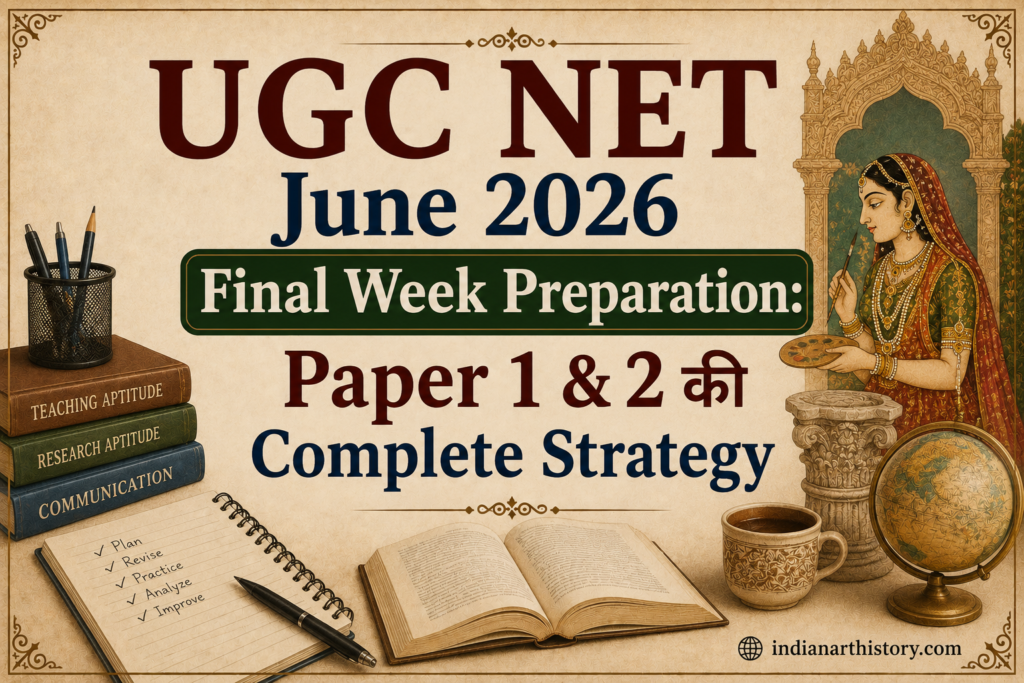
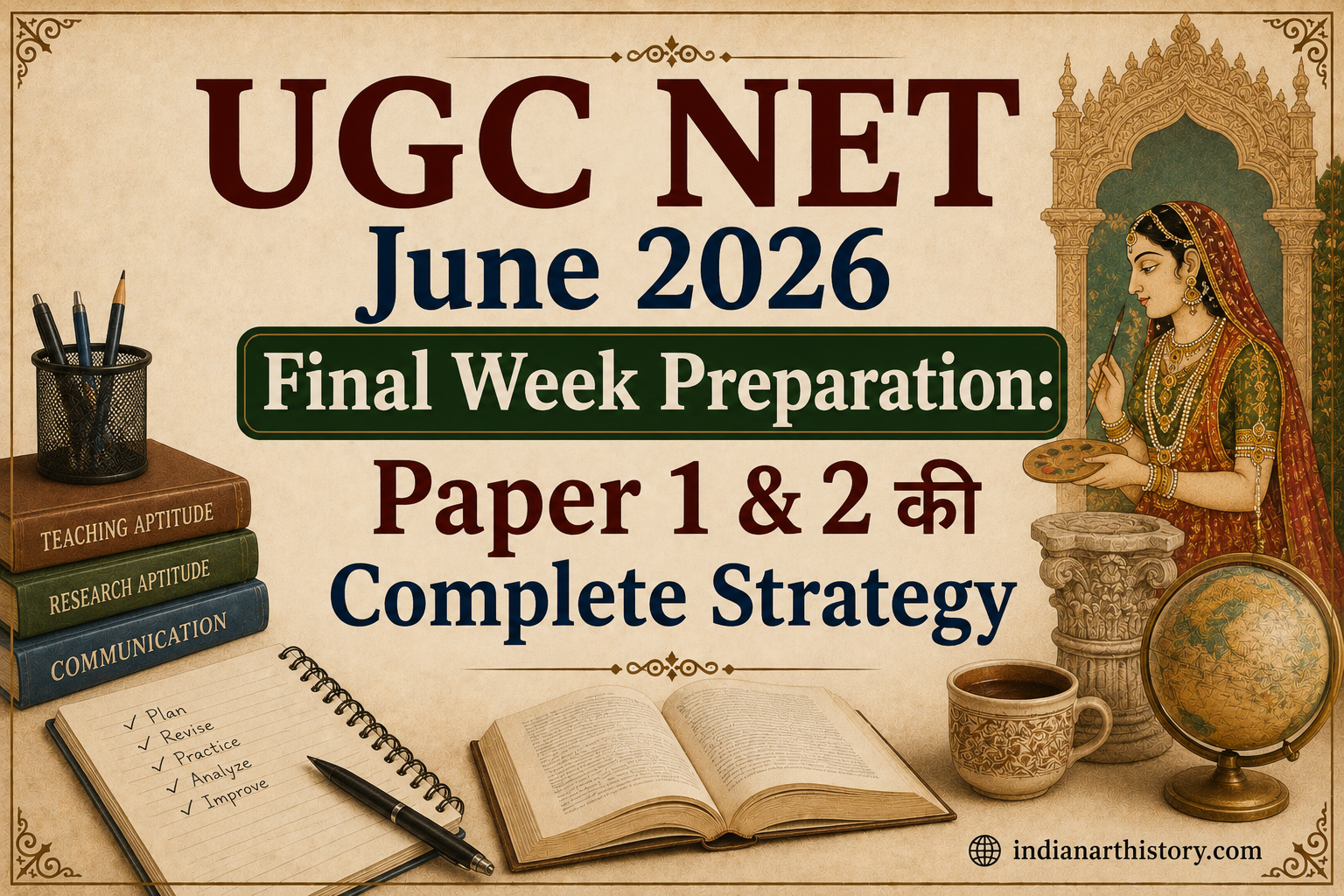
UGC NET June 2026 के आखिरी हफ्ते की complete preparation strategy — Paper 1 Top 10 topics, Paper 2 unit-wise notes, PYQ analysis 2023-2025, expected questions, exam hall tips और FAQs। Hindi में पूरी guide।
Table of Contents
UGC NET June 2026 — Final Week Preparation: आखिरी हफ्ते की Complete Strategy
परिचय: आखिरी हफ्ता — सबसे Important
UGC NET June 2026 की परीक्षा अब बस कुछ ही दिन दूर है। यह वह समय है जब हर candidate के मन में एक अजीब सी बेचैनी होती है — “क्या मैंने enough prepare किया है?”, “कौन सा topic छूट गया?”, “अब क्या करूं?” अगर आप भी इन्हीं सवालों से जूझ रहे हैं, तो यह article आपके लिए ही लिखा गया है।
आखिरी हफ्ता — यानी exam से ठीक 7 दिन पहले का समय — किसी भी competitive exam में सबसे decisive होता है। यह वह phase है जब आपकी मेहनत को direction मिलती है। जो students इस हफ्ते को सही तरीके से manage करते हैं, वे अक्सर उन students को भी पीछे छोड़ देते हैं जिन्होंने महीनों पहले से preparation शुरू की थी लेकिन आखिरी हफ्ते में scatter हो गए।
UGC NET एक ऐसी परीक्षा है जो न सिर्फ आपके subject knowledge को test करती है, बल्कि आपकी time management, decision-making और mental strength को भी परखती है। Paper 1 में Teaching Aptitude से लेकर Research Methodology तक के topics होते हैं, जबकि Paper 2 आपके chosen subject की गहराई को मापता है।
भारत की कला और संस्कृति में रुचि रखने वाले candidates — जो History of Art, Visual Arts, या Fine Arts जैसे subjects से NET दे रहे हैं — उनके लिए Indian Art History एक बेहतरीन resource है जहां भारतीय कला के विभिन्न पहलुओं पर विस्तृत articles उपलब्ध हैं। इस तरह के resources का उपयोग revision के दौरान किया जा सकता है।
इस article में हम आपको एक complete roadmap देंगे — Paper 1 और Paper 2 की final revision से लेकर exam hall strategy तक। हर section में practical tips होंगी जो आप immediately apply कर सकते हैं। तो चलिए शुरू करते हैं — आखिरी हफ्ते की वह strategy जो आपको JRF या NET qualify करा सके।
Paper 1 Final Revision: Top 10 Topics
Paper 1 सभी subjects के candidates के लिए common होता है और इसमें 50 questions होते हैं — सभी 2 marks के। यानी कुल 100 marks। इसे qualify करना mandatory है और अच्छे marks लाना आपकी overall merit में बड़ा फर्क डालता है। आखिरी हफ्ते में Paper 1 के इन Top 10 Topics पर ध्यान केंद्रित करें:
1. Teaching Aptitude (शिक्षण अभिरुचि) यह हर साल 5-6 questions का topic है। Teaching के levels (Memory, Understanding, Reflective), teaching methods (Lecture, Discussion, Project), और classroom management से related questions आते हैं। Maxims of Teaching याद करें — Known to Unknown, Simple to Complex, Concrete to Abstract।
2. Research Methodology (शोध पद्धति) यह UGC NET Paper 1 का सबसे scoring topic है। Research के types (Fundamental, Applied, Action Research), sampling methods (Random, Stratified, Purposive), research tools (Questionnaire, Interview, Observation), और hypothesis testing से 6-8 questions आते हैं। Null Hypothesis और Alternative Hypothesis का concept clear रखें।
3. Communication (संचार) Communication के types (Verbal, Non-verbal, Written, Formal, Informal), barriers of communication, और classroom communication पर focus करें। Mass communication और its functions भी important हैं। Shannon-Weaver Model of Communication अक्सर पूछा जाता है।
4. Logical Reasoning (तार्किक तर्क) यह section practice-based है। Syllogism, Venn Diagrams, Analogies, और Series Completion के questions आते हैं। इस topic में shortcut methods काम आते हैं। आखिरी हफ्ते में कम से कम 50 practice questions जरूर हल करें।
5. Data Interpretation (आंकड़ों की व्याख्या) Bar graphs, pie charts, line graphs, और tables से 4-5 questions होते हैं। Speed और accuracy दोनों जरूरी हैं। Percentage calculation, ratio, और proportion के basic concepts clear रखें।
6. Information and Communication Technology — ICT Computer basics, internet protocols (HTTP, FTP, HTML), software types, और e-learning concepts से questions आते हैं। Cyber security और digital literacy के concepts भी increasingly important हो रहे हैं।
7. People, Development and Environment (लोग, विकास और पर्यावरण) Environmental issues, sustainable development, climate change, biodiversity, और environmental laws से related questions होते हैं। National parks, biosphere reserves, और Ramsar sites की list याद करें।
8. Higher Education System (उच्च शिक्षा प्रणाली) UGC, NAAC, NBA, AICTE जैसे bodies के functions, NEP 2020 के प्रमुख बिंदु, और Indian universities की history से questions आते हैं। देश की प्रमुख central universities और उनकी स्थापना वर्ष याद रखें।
9. Mathematical Reasoning and Aptitude Number series, coding-decoding, time and work, speed-distance-time, और profit-loss से questions आते हैं। यह section उन students के लिए easy हो सकता है जिनका mathematical background strong है।
10. Reading Comprehension (पठन बोध) एक passage दिया जाता है और उस पर 5 questions पूछे जाते हैं। यहां carefully reading और inference drawing की skill काम आती है। Passage को एक बार पूरा पढ़ें, फिर questions के अनुसार relevant parts ढूंढें।
आखिरी हफ्ते की Paper 1 Strategy:
- रोज 2 घंटे Paper 1 को दें
- हर topic से 10-15 previous year questions solve करें
- Revision के लिए short notes या flashcards बनाएं
- Mock test में timing practice करें — 50 questions के लिए 1 घंटे का समय है
Paper 2 Unit-wise Final Notes: एक Page में हर Unit
Paper 2 subject-specific होता है और इसमें 100 questions होते हैं — सभी 2 marks के — यानी 200 marks। यहां हम Visual Arts / Fine Arts / History of Art के UGC NET Paper 2 syllabus को ध्यान में रखते हुए unit-wise final notes present कर रहे हैं। अन्य subjects के students अपने syllabus के अनुसार इस framework को apply करें।
Unit 1 — प्राचीन भारतीय कला (Ancient Indian Art)
Indus Valley Civilization की कला — Mohenjo-daro और Harappa की sculptures, seals, और pottery। Dancing Girl (Bronze), Priest King (Steatite) याद रखें। Mauryan Art — Ashoka Pillars, Sarnath Capital (National Emblem)। Sunga, Kushana, और Gupta period की विशेषताएं। Cave paintings — Ajanta (Buddhist), Ellora (Buddhist, Hindu, Jain)। भारतीय मंदिर स्थापत्य के तीन styles — Nagara, Dravida, और Vesara।
Indian Art History पर भारतीय कला के इन प्राचीन पहलुओं को विस्तार से explore करने से आपकी revision और प्रभावी हो सकती है।
Unit 2 — मध्यकालीन भारतीय कला (Medieval Indian Art)
Rajput painting schools — Mewar, Marwar, Bundi, Kota, Kishangarh। Pahari painting — Basohli और Kangra। Mughal painting — Humayun, Akbar, Jahangir, Shah Jahan के दौर की विशेषताएं। Mughal miniature paintings में Persian और Indian style का fusion। Deccan painting schools — Bijapur, Ahmednagar, Golconda। Vijayanagara और Nayak period की temple art।
Unit 3 — आधुनिक भारतीय कला (Modern Indian Art)
Bengal School of Art — Abanindranath Tagore, Nandalal Bose। Raja Ravi Varma और उनकी mythological paintings। Bombay Art Society और उसका प्रभाव। Progressive Artists Group (1947) — F.N. Souza, M.F. Husain, S.H. Raza, K.H. Ara। Contemporary Indian artists और उनके आंदोलन।
Unit 4 — पाश्चात्य कला इतिहास (Western Art History)
Renaissance — Leonardo da Vinci, Michelangelo, Raphael। Baroque और Rococo। Impressionism — Monet, Renoir। Post-Impressionism — Van Gogh, Cézanne। Cubism (Picasso), Surrealism (Dali), Abstract Expressionism। Modern movements और उनके प्रमुख artists।
Unit 5 — कला सिद्धांत और सौंदर्यशास्त्र (Art Theory and Aesthetics)
Rasa Theory — Bharata Muni के Natyashastra में 9 rasas। Indian aesthetics की प्रमुख अवधारणाएं — Dhvani, Vakrokti, Alamkara। Western aesthetics — Plato, Aristotle, Kant, Hegel के विचार। Formalism, Expressionism, और Institutionalism theories।
Unit 6 — मूर्तिकला और स्थापत्य (Sculpture and Architecture)
Gandhara और Mathura schools की तुलना। Pallava, Chola, और Hoysala architecture। Islamic architecture in India — Qutb Minar, Taj Mahal, Humayun’s Tomb। Colonial architecture और इसका भारतीय context।
Unit 7 — लोक और जनजातीय कला (Folk and Tribal Art)
Madhubani, Warli, Gond, Pattachitra, Phad painting। Craft traditions — Bidriware, Dhokra, Kalamkari। Handicraft zones और उनकी geographical identification। GI Tag प्राप्त Indian crafts।
Unit 8 — समकालीन कला और नई मीडिया (Contemporary Art and New Media)
Installation art, Performance art, Digital art। Indian contemporary art scene — Kochi-Muziris Biennale, India Art Fair। International movements और उनका Indian art पर प्रभाव। Art criticism और curatorial practices।
अन्य subjects के लिए framework:
- हर unit के key terms की list बनाएं
- Important names, dates, और events को highlight करें
- Definition-based questions की तैयारी करें
- Comparison-based questions (जैसे A vs B) के लिए tables बनाएं
Previous Year Questions: 2023-2025 Analysis
Previous year questions (PYQs) किसी भी competitive exam की preparation का सबसे important हिस्सा होते हैं। UGC NET के लिए 2023-2025 के papers का analysis बताता है कि किन topics से कितने questions आए और pattern कैसे shift हो रहा है।
2023-2024 Paper 1 — Key Observations:
UGC NET 2023 (June) और 2023 (December) दोनों में Research Methodology से सबसे अधिक questions आए — लगभग 8-10 questions प्रत्येक paper में। Teaching Aptitude दूसरे नंबर पर रहा। Data Interpretation में tables और bar graphs ज्यादा थे, pie charts कम। Logical Reasoning में Syllogism और Venn Diagrams dominant रहे।
2024 के papers में ICT section में AI और Machine Learning से related questions पहली बार significant संख्या में आए — जो indicate करता है कि 2026 में यह trend और बढ़ेगा। Environmental Studies में climate agreements (Paris Agreement, COP summits) से questions आए।
2025 Paper 1 — Shifting Trends:
2025 में NEP 2020 implementation से related questions आए — Assessment for Learning, Competency-based Education जैसे concepts पूछे गए। Higher Education System में NAAC grading और NIRF rankings पर focus रहा। Communication section में social media और digital communication के ethics पर questions थे।
Paper 2 (Visual Arts/Fine Arts) — 2023-2025 Analysis:
- Mughal miniature painting से हर paper में 5-7 questions
- Contemporary Indian artists और their international recognition पर बढ़ते हुए questions
- Art theory — विशेषकर Rasa Theory और Western aesthetics की comparison
- Museum studies और conservation techniques से 3-4 questions
- Folk art और Tribal art की identification से 4-5 questions
- Architecture — particularly UNESCO World Heritage Sites in India
Common Pattern जो हर साल दोहराया जाता है:
- कम से कम 2 questions किसी prominent Indian artist की biography या major work पर
- एक question हमेशा किसी specific art movement के founding year या key figure पर
- Comparative questions — “निम्नलिखित में से कौन सा कथन सही/गलत है”
- “सुमेलित करें” (Match the following) type questions — 4-5 pairs
PYQ Strategy for Final Week:
आखिरी हफ्ते में PYQs को solve करने का सही तरीका यह है कि आप उन्हें simply attempt न करें बल्कि हर wrong answer के लिए उस topic की revision करें। एक error log बनाएं जहां आप note करें कि किस topic में बार-बार गलतियां हो रही हैं — यही आपका weakest area है जिस पर extra time दें।
2023-2025 के papers में एक और important trend यह रहा है कि application-based questions बढ़े हैं — यानी सिर्फ definition याद करना काफी नहीं, आपको उसे apply करना आना चाहिए। इसलिए concept-based preparation करें।
Expected Questions 2026: Pattern से Predict
UGC NET June 2026 के expected questions का prediction करते समय हमें तीन चीजें ध्यान में रखनी होती हैं — recent trends, syllabus updates, और current affairs का exam से integration।
Paper 1 — Expected Hot Topics for 2026:
Artificial Intelligence in Education: 2026 में AI का education में role एक major topic होगा। AI-based learning systems, personalized learning, और ethical concerns of AI in education से 2-3 questions expected हैं। ChatGPT और Generative AI का academic integrity पर प्रभाव भी पूछा जा सकता है।
NEP 2020 Implementation: National Education Policy 2020 के implementation की progress — 4-year undergraduate programs, Academic Bank of Credits (ABC), और multidisciplinary approach से questions आने की strong possibility है।
Research Ethics: Plagiarism, informed consent, और research misconduct से related questions 2026 में बढ़ने की संभावना है। UGC’s regulations on plagiarism (UGC Regulations 2018) जरूर पढ़ें।
Environmental Topics: COP29 और climate commitments, National Action Plan on Climate Change, और India’s Net Zero target 2070 से 2-3 questions expected हैं।
Digital Literacy और Cyber Security: Data Protection Act, digital rights, और online safety से questions आ सकते हैं।
Paper 2 (Visual Arts/Fine Arts) — Expected 2026:
Contemporary Indian Art Scene: Kochi-Muziris Biennale की latest edition, India Art Fair 2025-26, और recently awarded Padma awards to artists से questions possible हैं।
Cultural Heritage और UNESCO: भारत के नए UNESCO World Heritage Sites और Intangible Cultural Heritage nominations से 2-3 questions।
Digital Art और NFTs: Digital art forms, NFT in art market, और Virtual Reality in museum experiences — यह emerging area है जहां से UGC increasingly questions ले रहा है।
Women Artists of India: Historical से contemporary तक — Amrita Sher-Gil, Mrinalini Mukherjee, और contemporary women artists। Indian Art History पर इस विषय पर excellent content उपलब्ध है।
Folk Art — GI Tags: 2024-25 में जिन folk art forms को GI Tag मिला, उनसे questions expected हैं।
Pattern-based Prediction Strategy:
UGC NET का paper बनाने वाली committee usually एक balanced distribution follow करती है — 40% factual/knowledge-based, 35% conceptual/understanding-based, और 25% application/analysis-based। इसलिए सिर्फ facts रटना काफी नहीं — concepts को समझना और उन्हें नए situations में apply करने का practice करना जरूरी है।
एक important tip: UGC NET के recent papers में “statement-based” questions बढ़े हैं जहां 4 statements दिए जाते हैं और पूछा जाता है कि कौन से सही हैं। इन questions में आमतौर पर एक obvious wrong statement और एक tricky statement होती है। इस type के questions का practice करें।
Day Before Exam: क्या करें
Exam से एक दिन पहले का समय बहुत critical होता है। यह वह दिन है जब आपको न तो कोई नया topic शुरू करना चाहिए, न ही पुराने topics में गहराई से जाना चाहिए। यह दिन है — consolidation का, relaxation का, और mental preparation का।
सुबह (Morning — 6 AM to 10 AM):
सुबह उठकर सबसे पहले अपने short notes को एक बार पूरा देखें — लेकिन पढ़ने के लिए नहीं, बल्कि याद करने के लिए। यह revision नहीं, बल्कि memory recall है। जो points आपको clearly याद आ रहे हैं उन्हें छोड़ दें, जहां थोड़ा confusion है वहां 5 मिनट दें। इसे “Scan Revision” कहते हैं।
Paper 1 के Top 10 topics में से हर एक के 5 key points mentally recall करें। Paper 2 में हर unit का एक-एक important concept दोहराएं।
दोपहर (Afternoon — 10 AM to 2 PM):
यह समय logistics के लिए है। Admit card print करें और confirm करें कि exam center का address और route आपको पता है। अगर exam center दूर है तो transportation arrange करें। Required documents की list check करें — Admit Card, Government ID (Aadhar/Voter ID/Passport), Pen, Pencil।
कुछ हल्का खाएं — heavy meal से दोपहर में नींद आ सकती है।
शाम (Evening — 2 PM to 6 PM):
यह time है कुछ पुराने mock test के answers को review करने का — खासकर वे questions जो आपने गलत किए थे। नया कुछ solve न करें — बस review। इस दौरान अपने error log को एक बार देखें।
Art और culture में रुचि रखने वाले candidates Indian Art History के key articles को एक बार scan कर सकते हैं — नए topics के लिए नहीं, बल्कि पहले पढ़ी हुई चीजों को mentally reinforce करने के लिए।
रात (Evening/Night — 6 PM onwards):
रात को exam की तैयारी बिल्कुल बंद कर दें। Dinner समय पर करें — light और nutritious। Mobile screen से दूर रहें कम से कम 1 घंटे पहले सोने के। 7-8 घंटे की नींद लेने की कोशिश करें — यह कोई luxury नहीं, यह performance के लिए जरूरी है।
कुछ लोग exam से पहले रात को “all night” पढ़ते हैं — यह biggest mistake है। नींद में ही memory consolidation होती है। जो आपने पिछले महीनों में पढ़ा है, वह सोते समय आपके brain में properly store होता है। रात भर जागने से आप exam hall में fresh नहीं होंगे।
Mindset Preparation:
- Positive affirmations repeat करें — “मैंने अच्छी preparation की है”
- Nervousness को energy में convert करें — यह excitement है, डर नहीं
- Worst case scenario के बारे में न सोचें
- अपने support system से बात करें — family या दोस्त
Exam Hall Strategy: Paper 1 पहले या Paper 2?
UGC NET June 2026 में Paper 1 और Paper 2 दोनों एक ही session में होते हैं — पहले Paper 1 (1 घंटा), फिर Paper 2 (2 घंटे)। लेकिन exam hall में आपकी strategy यह निर्धारित करती है कि आप available time का अधिकतम उपयोग कर पाते हैं या नहीं।
Timing Structure:
- Paper 1: 50 Questions × 2 Marks = 100 Marks — 60 Minutes
- Paper 2: 100 Questions × 2 Marks = 200 Marks — 120 Minutes
- Total: 150 Questions, 300 Marks, 3 Hours
Paper 1 Strategy (पहला घंटा):
Paper 1 में 60 minutes में 50 questions — यानी average 1.2 minutes per question। लेकिन हर question को equal time नहीं देना चाहिए।
First Pass (35 minutes): पूरे paper को एक बार scan करें। जो questions आपको 100% confident हैं उन्हें solve करें और mark करें। जो doubtful हैं उन्हें skip करें। इस pass में आपका target है — 35-40 questions solve करना।
Second Pass (15 minutes): Skipped questions पर वापस जाएं। अब eliminate करने की technique use करें — 4 options में से obvious wrong options को eliminate करें और बची हुई choices में से best answer चुनें।
Buffer (10 minutes): Last 10 minutes में अपने answers review करें। अगर computer-based test है तो “marked for review” questions check करें।
Paper 2 Strategy (दो घंटे):
Paper 2 में 120 minutes में 100 questions — average 1.2 minutes per question। लेकिन Paper 2 में subject knowledge की depth की जरूरत होती है इसलिए कुछ questions ज्यादा time लेंगे।
First Pass (60 minutes): Easy और medium questions पहले solve करें। Target — 70-75 questions पहले pass में।
Second Pass (40 minutes): Difficult questions पर focus करें। Elimination technique use करें।
Buffer (20 minutes): Review और OMR/Screen verification।
Important Strategy Points:
Negative Marking नहीं है: UGC NET में negative marking नहीं होती। इसलिए कोई भी question blank मत छोड़ें। अगर आप completely unsure हैं तो भी educated guess लगाएं।
Time Traps से बचें: कोई एक question ज्यादा time ले रहा है तो उसे छोड़ें और आगे बढ़ें। एक question के चक्कर में 5 questions miss मत करें।
Reading Comprehension: Paper 1 में passage-based questions के लिए पहले questions पढ़ें, फिर passage में relevant parts ढूंढें — पूरा passage पढ़ने में time waste होता है।
Data Interpretation: Graphs और tables देखकर पहले rough calculation mentally करें — exact answer नहीं, approximate range। इससे wrong options quickly eliminate होती हैं।
Paper 2 में Unit Distribution: अगर आपका एक unit बहुत weak है, तो उस unit के questions last में attempt करें। पहले confident units के questions solve करें।
Computer-Based Test (CBT) Tips:
अगर यह CBT mode में है (जो increasingly common हो रहा है), तो:
- Screen पर पढ़ने की speed offline reading से अलग होती है — इसका practice पहले से करें
- “Mark for Review” feature का actively use करें
- Calculator (अगर available है) का सही उपयोग करें
- Last 5 minutes में सभी questions answered हैं या नहीं — यह verify करें
Exam Hall में Mental State:
Exam hall में घुसते ही deep breaths लें। अगर शुरुआती 2-3 questions difficult लगें तो panic न करें — skip करें और आगे बढ़ें। याद रखें कि difficult questions सबके लिए difficult होते हैं। आपका competition दूसरे candidates से है, paper से नहीं।
FAQs: UGC NET June 2026 Final Week
Q1. आखिरी हफ्ते में कितने घंटे पढ़ना चाहिए?
A: 8-10 घंटे per day ideal है, लेकिन quality ज्यादा important है quantity से। अगर आप थके हुए हैं तो 6 घंटे focused study 10 घंटे distracted study से बेहतर है। Breaks जरूरी हैं — हर 90 minutes पर 15-20 minutes का break लें (Pomodoro Technique)।
Q2. क्या आखिरी हफ्ते में नए topics cover करने चाहिए?
A: Generally नहीं। आखिरी हफ्ते में revision और consolidation पर focus करें। हालांकि, अगर कोई important topic completely छूट गया है और वह exam में important है, तो उसे briefly cover करना sensible है — but don’t go deep into new topics at this stage।
Q3. Mock tests आखिरी हफ्ते में कितने देने चाहिए?
A: 3-4 full mock tests — exam जैसे conditions में (same time, no phone, quiet environment)। Mock test के बाद analysis जरूरी है। गलत answers के reasons समझें और उन topics की brief revision करें।
Q4. UGC NET में Pass होने के लिए minimum marks क्या चाहिए?
A: UGC NET में कोई fixed passing marks नहीं होते — यह cutoff-based है। Cutoff हर subject और category के लिए अलग होती है। Generally देखा जाए तो NET के लिए total 300 में से 130-140+ और JRF के लिए 150-160+ marks लाने की जरूरत होती है, लेकिन यह vary करता है। Previous year cutoffs check करें।
Q5. Paper 1 की preparation में सबसे common mistake क्या है?
A: सबसे common mistake है Logical Reasoning और Data Interpretation को ignore करना। बहुत से humanities students इन sections को “maths वाला section” समझकर छोड़ देते हैं — जबकि यह sections scoring हैं और practice से बहुत improve होते हैं।
Q6. अगर exam से पहले anxiety बहुत ज्यादा हो तो क्या करें?
A: Exam anxiety normal है — यह indicate करती है कि आप care करते हैं। इसे manage करने के लिए deep breathing exercises (4-7-8 technique), light exercise या walk, और positive visualization useful हैं। किसी trusted person से बात करें। याद रखें — आपने जो preparation की है वह इस हफ्ते में नहीं बदलेगी, लेकिन आपका mindset आपके performance को जरूर affect करेगा।
Q7. Online resources में क्या-क्या use करना चाहिए आखिरी हफ्ते में?
A: PYQ PDFs, official syllabus, और trusted websites। Arts और culture subjects के candidates के लिए Indian Art History पर उपलब्ध articles और हमारे WhatsApp Channel और Facebook Page पर updates follow करना beneficial है।
Q8. क्या group study आखिरी हफ्ते में helpful है?
A: Depends करता है। अगर आपका group focused और disciplined है तो doubt-clearing sessions useful हो सकते हैं। लेकिन अगर group study में time waste होता है या दूसरों की insecurity से आपकी confidence affect होती है, तो solo study बेहतर है।
Q9. Visual Arts के candidates के लिए कोई special tip?
A: Artwork identification — यह एक ऐसा area है जहां visual memory काम आती है। अगर आपने अच्छे visual resources से study किया है, तो आप artworks को उनके style, period, और artist से पहचान सकते हैं। Indian Art History जैसे platforms पर artworks के साथ उनका context और analysis होता है जो इस तरह की preparation के लिए ideal है।
Q10. अगर exam के दिन सुबह नींद न खुले तो?
A: इसीलिए कहा गया — alarm backups रखें। कम से कम 2-3 alarms set करें — phone, clock, और किसी family member को भी कहें। Exam के दिन 2 घंटे पहले उठें, fresh हों, हल्का नाश्ता करें, और exam center पर 30-45 minutes पहले पहुंचें।
निष्कर्ष — आखिरी हफ्ते की सबसे Important बात
UGC NET June 2026 की परीक्षा में success का formula बहुत simple है — smart revision + focused practice + positive mindset। आखिरी हफ्ते में panic नहीं, बल्कि clarity चाहिए।
याद रखें — जो आपने पिछले महीनों में पढ़ा है, वह सब अभी भी आपके अंदर है। इस हफ्ते का काम है उसे surface पर लाना — organized और ready। Paper 1 के Top 10 topics और Paper 2 के unit-wise notes को systematic तरीके से revise करें। PYQs से pattern समझें और expected questions की preparation करें।
Exam hall में enter करते समय यह याद रखें — हर candidate nervous होता है। जो candidate अपनी nervousness को manage करके systematic तरीके से paper attempt करता है, वही जीतता है।
Art और culture के अपने passion को इस journey में एक strength की तरह use करें। भारत की समृद्ध कलात्मक विरासत — चाहे Mughal miniatures हों, Bengal School की paintings हों, या contemporary Indian art — यह सब आपके subject को केवल एक exam topic नहीं बल्कि एक living tradition बनाता है।
हमारे Indian Art History WhatsApp Channel को follow करें latest updates और art-related content के लिए, और Facebook Page पर join करें एक active community से।
All the best for UGC NET June 2026! आप कर सकते हैं।