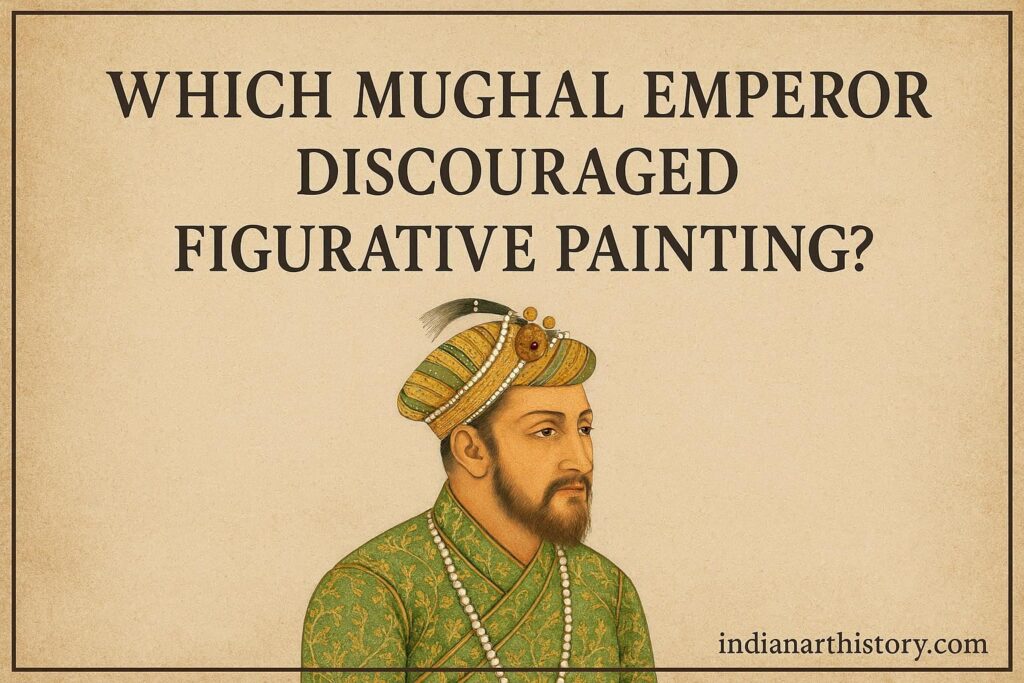
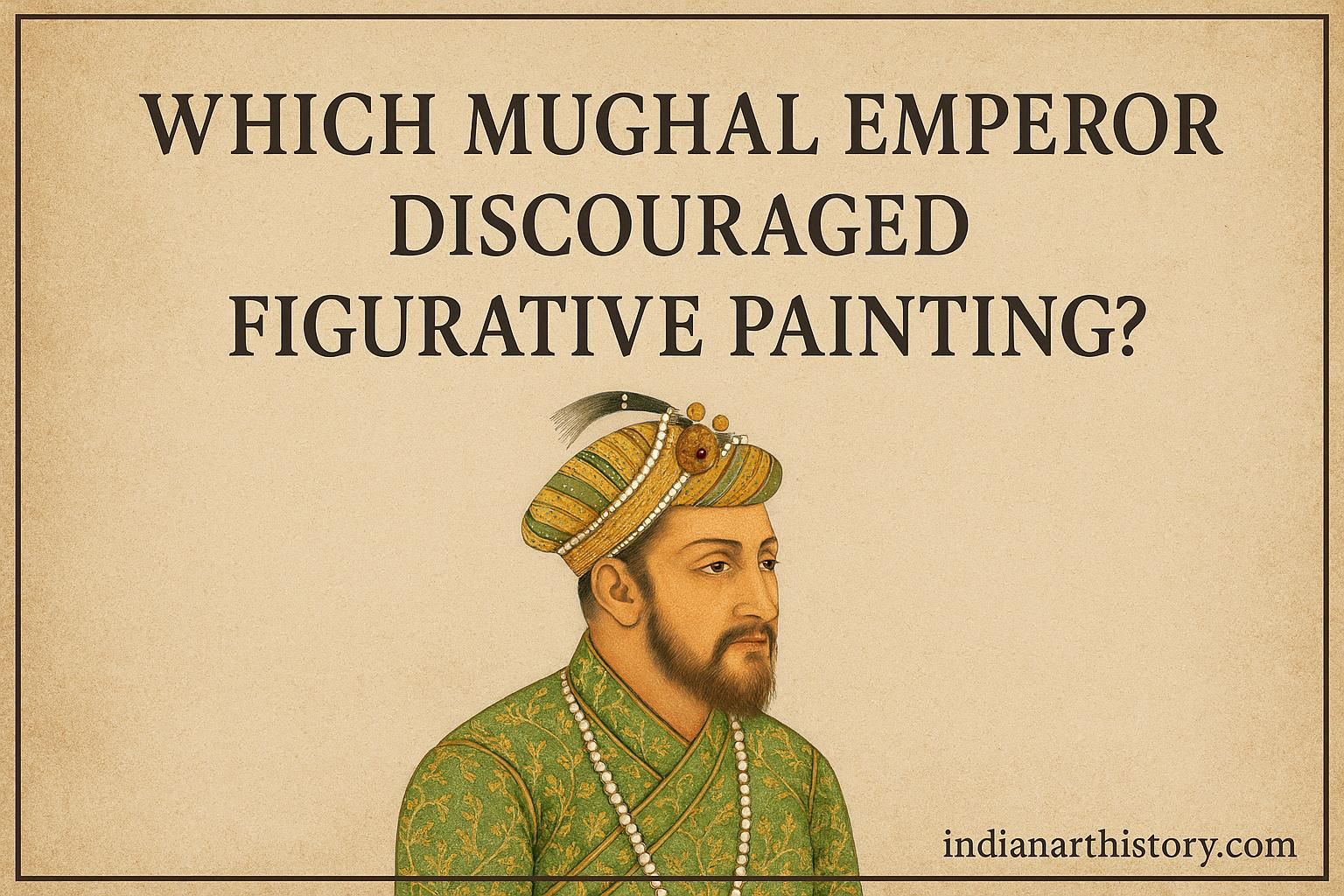
Aurangzeb (r. 1658–1707) was the Mughal emperor who discouraged figurative painting.
In 1680, Aurangzeb banned music and painting from his court. The Metropolitan Museum of Art. This marked a significant turning point for Mughal art. Aurangzeb followed more rigorous Muslim tenets and dismissed court painters EBSCO, which led to the decline of the Mughal painting tradition that had flourished so brilliantly under his predecessors.
This decision stemmed from Aurangzeb’s increasingly orthodox Sunni Islamic beliefs, which included stricter interpretations regarding the depiction of living beings. While some portraits of him from early in his reign do exist, his religious orthodoxy ultimately led him to withdraw royal patronage from the imperial painting workshops. This effectively ended the great age of Mughal painting that had thrived under Akbar, Jahangir, and Shah Jahan.
After Aurangzeb’s reign, although there was a brief revival under Muhammad Shah (1719–48), Mughal painting never regained its former glory. Many court artists were forced to seek employment at regional courts, which helped spread Mughal artistic techniques to Rajput and other painting traditions across India.